









Root Canal in Shenzhen: What Real Patients Say
Thinking about a root canal in Shenzhen can feel daunting, especially if you’re new to the city or simply anxious about dental procedures. Yet, when you listen to what patients actually report, a clear picture emerges: Shenzhen’s dental landscape is modern, efficient, and increasingly patient-centered. Below is a candid overview of common experiences, themes, and practical takeaways drawn from patient feedback and community discussions, to help you approach treatment with confidence.
First impressions: booking and communication
Patients often highlight how streamlined scheduling can be. Many clinics use WeChat for booking and reminders, which makes coordination straightforward. English-speaking staff are common in central districts such as Futian and Nanshan, where international clinics and hospital dental departments cluster. Patients consistently note that front desk teams help with forms, explain what to bring, and outline the steps of treatment, which reduces pre-appointment stress.
What it feels like: pain control and anxiety
A recurring theme in patient comments is surprise at how manageable a root canal feels. Local anesthesia is standard and well-executed; several patients mention feeling only pressure, not sharp pain, during the procedure. Dentists in Shenzhen are generally attentive to anxieties—pausing as needed, adjusting anesthesia, and checking in frequently. For those especially nervous, some clinics offer mild sedation options, though patients advise confirming availability during consultation.
Technology and cleanliness: a modern standard
Shenzhen clinics tend to be tech-forward. Patients commonly describe digital X-rays, intraoral cameras, and, in many cases, dental microscopes that improve precision. Rubber dam isolation—a key tool for keeping the tooth dry and sterile—is often used and is something patients now know to watch for. Reviews frequently emphasize spotless environments, sealed sterilization pouches, and clear infection control protocols. These details contribute significantly to patient confidence and comfort.
What the process involves
Patients report that root canal therapy typically unfolds over one to three visits, depending on the tooth’s complexity and whether infection is present. The first visit usually involves diagnostic imaging, anesthesia, and cleaning out the infected pulp. Subsequent visits may focus on shaping, disinfecting, and sealing the canals, and finally placing a filling. Many patients note that a crown is recommended afterward for reinforcement, especially for molars. The takeaway: expect a phased approach that prioritizes both infection control and long-term strength.
Recovery and aftercare
Post-treatment, patients describe mild to moderate tenderness that peaks in the first 48 hours and gradually subsides. Over-the-counter pain relievers are commonly recommended, and patients often say they’re back to their routines quickly, with a few days of caution for chewing. Dentists typically provide detailed home-care instructions—like avoiding hard foods on the treated side initially and reporting any swelling or persistent pain. Follow-up checks are standard, and patients appreciate the clarity about when to return and what symptoms warrant a call.
Language, bedside manner, and trust
Many patients remark on the respectful, calm demeanor of Shenzhen dentists. Explanations are often given in accessible terms, and visual aids—like showing X-rays on a screen—help patients understand what’s happening
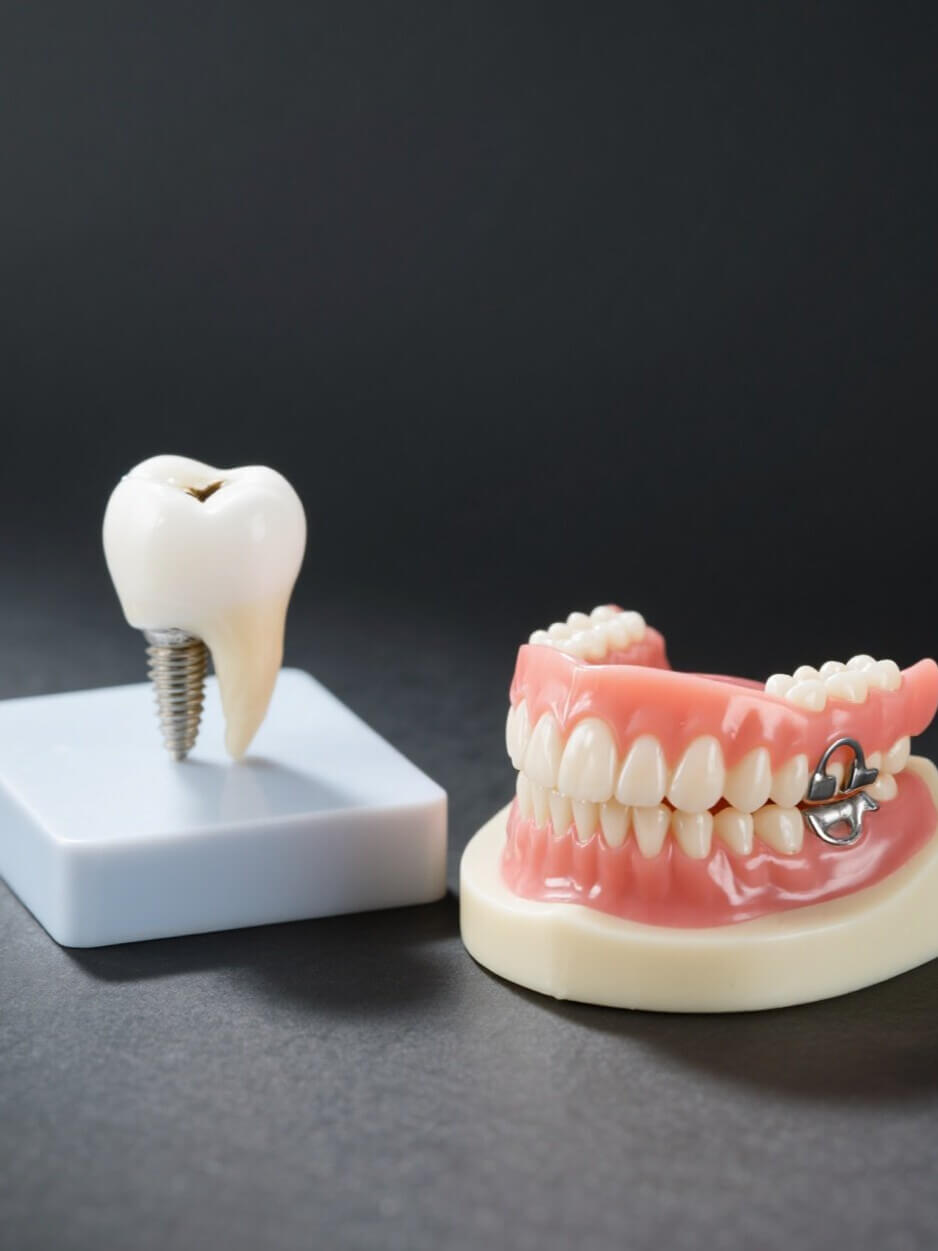
. For non-Chinese speakers, English fluency varies by clinic, but in many international-facing practices, both dentists and assistants communicate comfortably. Patients recommend bringing prior dental records or imaging if available, and not hesitating to ask for a second opinion if something feels unclear.
Insurance and paperwork
Experiences vary depending on insurance type. Some clinics can assist with direct billing to international plans, while others provide detailed invoices and codes for reimbursement. Patients advise confirming documentation needs beforehand and asking for treatment plans in writing. Having a clear outline of steps and timelines helps set expectations and streamlines any insurance claims later.
How long it takes and what to expect in the chair
Patients commonly spend 60–90 minutes in the chair per visit for a root canal, with total treatment time varying by the number of canals and the presence of infection. Expect protective eyewear, frequent rinsing, and a comfortably reclined chair. Many patients appreciate the dentist narrating key steps—like when they’re cleaning canals or placing medication—which helps demystify the process and reduces anxiety. Some clinics offer noise-canceling headphones or calming music, and patients suggest bringing your own earbuds if that helps you relax.
Red flags and smart questions
Patients who felt most satisfied often asked pointed questions upfront:
- Will you use a rubber dam?
- Do you use a microscope for complex canals?
- How many visits should I expect for this tooth?
- What are the signs I should watch for after each session?
- Who should I contact after hours if I have concerns?
They also advise verifying credentials, reading recent reviews, and confirming sterilization practices. Red flags include rushed consultations, vague treatment timelines, or reluctance to explain imaging findings.
What surprises patients most
Three themes stand out:
- Less pain than expected: Many patients say the procedure itself is easier than their fear suggested.
- Modern facilities: Shenzhen’s dental infrastructure often exceeds expectations, with advanced imaging and clean, organized operatories.
- Clear communication about crowns: Patients valued proactive explanations about why a crown may be advised and when to schedule it, which prevented cracks or fractures later.
Frequently asked concerns
Does a root canal in Shenzhen hurt? Patients generally report good anesthesia and only mild soreness afterward.
How many visits will I need? One to three is common; complex cases may require more.
Do I need antibiotics? Not always. Patients note that dentists prescribe them based on specific signs of infection, not routinely, which aligns with good antibiotic stewardship.
Should I see a specialist? For curved or calcified canals, patients say dentists may refer to an endodontist. Asking whether specialist care is needed is a smart move.
The bottom line
Real patient feedback paints a consistent picture: root canal treatment in Shenzhen is typically well-managed, technologically advanced, and patient-friendly. With thoughtful clinic selection, clear communication, and attentive aftercare, the experience is often smoother than expected. If you’re facing a root canal, take time to read recent reviews, prepare your questions, and choose a dentist who communicates clearly and uses modern techniques. Shenzhen offers a robust dental ecosystem—one where many patients find relief, restore their teeth, and leave wondering why they worried so much in the first place.
















