









Signs of a Failed Root: Warning Signs & Next Steps 2026
If you’ve had a root canal, you probably remember the relief of finally getting rid of that persistent toothache. But sometimes, even a well-done root canal can fail. It’s not common, yet it happens—often quietly and gradually. Knowing the warning signs and what to do next can save your tooth and prevent larger health issues. Here’s your practical, up-to-date guide for 2026.
What a “Failed Root” Really Means
A root canal is designed to remove infected pulp inside a tooth, disinfect the canals, and seal them to prevent future infection. A failed root canal—often called root canal failure—means bacteria have re-entered or remained inside the tooth or surrounding tissues, leading to inflammation, pain, or reinfection. This can happen weeks, months, or even years after the initial treatment.
Why Failure Happens (Even with Modern Dentistry)
There are more safeguards than ever in 2026, from cone beam CT scans to AI-assisted diagnostics. Still, several factors can cause trouble:
- Complex anatomy: Teeth often have accessory canals, unusual curvatures, or hidden branches that are hard to fully clean and seal.
- Microleaks: If the filling or crown cracks, loosens, or doesn’t seal perfectly, bacteria can sneak back in.
- Persistent infection: Some bacteria form biofilms or hide in microscopic spaces, resisting traditional treatments.
- Delayed restoration: Waiting too long to place a protective crown after a root canal increases the risk of fracture or contamination.
- New fractures: Grinding, trauma, or biting on hard foods can crack the tooth or the restoration, exposing it to reinfection.
Warning Signs You Shouldn’t Ignore
- Persistent or returning pain: A slight ache can be normal after treatment, but throbbing pain weeks or months later is a red flag.
- Swelling or tenderness: Puffiness in the gums or face near the treated tooth, or soreness when you press the area, suggests inflammation.
- A pimple on the gums (fistula): This often indicates an abscess draining through the gum. It may come and go but usually points to infection.
- Sensitivity while chewing or biting: If chewing feels sharp, tender, or “off,” the tooth may be inflamed or cracked.
- Temperature sensitivity: Ongoing hot or cold sensitivity after an initial recovery period can signal trouble.
- Bad taste or odor: A foul taste, metallic sensation, or persistent bad breath around the tooth can be related to bacterial leakage.
- Loose feeling or changes in bite: Mobility, shifting, or a bite that suddenly feels different needs attention.
- Radiographic findings: Dentists may spot dark areas around the root tip (periapical radiolucencies) or unfilled canals on X-rays or CBCT scans.
How to Confirm a Failed Root Canal
You can’t diagnose it at home. A dentist or endodontist will use:
- Clinical exam: Gentle percussion, palpation, and bite tests to pinpoint discomfort.
- X-rays or 3D imaging (CBCT): Reveals hidden canals, missed infection, root fractures, or lesions at the root tip.
- Restoration assessment: Checks for microleaks, cracked fillings, or ill-fitting crowns.
- Periodontal evaluation: Ensures gum he
alth and rules out issues that mimic root canal failure.
Your Next Steps in 2026
- Get seen promptly: Early intervention improves outcomes. If symptoms persist beyond a few days or recur, book a visit—preferably with an endodontist.
- Consider retreatment: Endodontic retreatment involves reopening the tooth, removing old filling material, disinfecting the canals, and resealing them. Advances in magnification and irrigation have improved success rates.
- Surgical options (apicoectomy): If retreatment isn’t feasible or doesn’t resolve the issue, a minor surgical procedure to remove the tip of the root and seal it from the end can help.
- Address the restoration: If your crown or filling is leaking or cracked, replacing it may be part of the solution. A sound seal is non-negotiable.
- Evaluate cracks: Vertical root fractures are serious and may require extraction if the crack extends below the bone.
- Manage the surrounding infection: Your dentist may recommend localized treatment and, when appropriate, medication. In 2026, antibiotic stewardship matters, so meds are used judiciously and only when indicated.
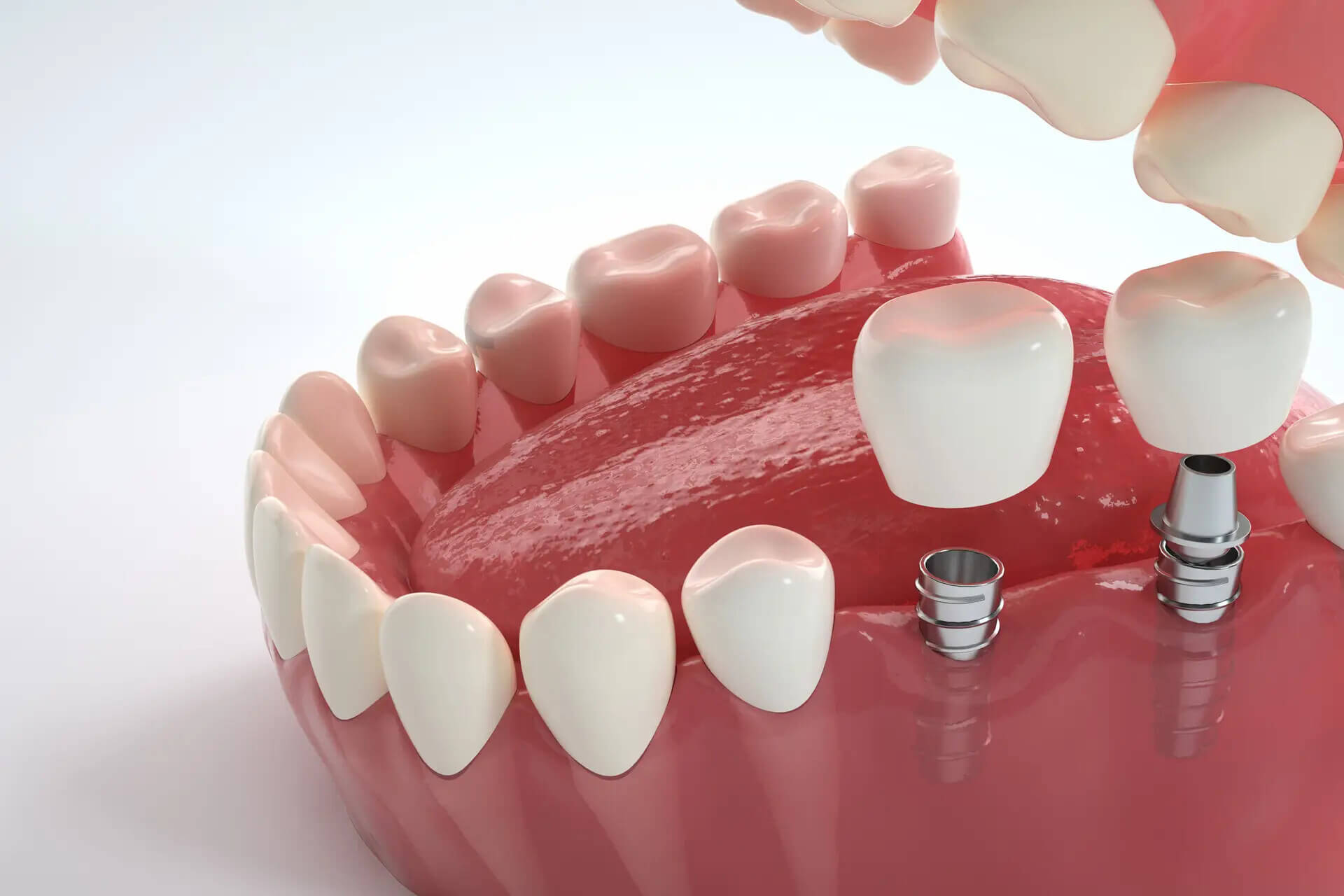
- Plan for replacement if needed: If the tooth cannot be saved, discuss options like implants or bridges with your dentist to restore function and prevent shifting.
Prevention Tips to Protect Your Root Canal
- Don’t delay the crown: If your dentist recommends a crown after a root canal, schedule it promptly to protect the tooth.
- Night guard for grinders: If you clench or grind, a night guard reduces stress and fracture risk.
- Careful chewing: Avoid biting ice, hard candy, or using your teeth as tools.
- Maintain impeccable hygiene: Brush twice daily, floss, and use antibacterial mouth rinses if advised.
- Regular checkups: Routine exams and X-rays can catch problems early—sometimes before you feel them.
What’s Different in 2026?
- Better imaging: CBCT is increasingly standard for complex cases, revealing anatomy that traditional X-rays can miss.
- Enhanced disinfection: Irrigation protocols, ultrasonic activation, and bioceramic sealers improve long-term outcomes.
- Smarter diagnostics: Digital tools and AI-supported risk assessments help identify teeth at higher risk of failure and tailor treatment plans.
- Focus on minimally invasive retreatment: Preserving tooth structure while achieving a thorough seal is the guiding principle.
When to Seek Help Immediately
- Severe swelling that spreads to the face or neck
- Fever with intense, persistent tooth pain
- Difficulty swallowing or breathing
These symptoms can indicate a serious infection and require urgent care.
Bottom Line
A failed root canal doesn’t mean you’ve done anything wrong—and it doesn’t always mean losing the tooth. Recognizing the warning signs early, getting a thorough evaluation, and choosing the right next step—retreatment, apicoectomy, or restoration repair—can bring relief and protect your oral health. In 2026, with advanced imaging, refined techniques, and smarter diagnostics, saving a compromised tooth is more achievable than ever. If something feels off, trust your instincts and call your dentist. Your tooth—and your peace of mind—are worth it.
















