









Root Canal in China: A Complete Guide 2026
Thinking about a root canal in China? Whether you live in China or are planning dental care while traveling, this guide walks you through how treatment works in 2026—what to expect, how to choose a clinic, and how to navigate language, insurance, and aftercare with confidence.
What a root canal is and why you might need one
A root canal (endodontic treatment) removes infected or inflamed tissue from inside a tooth, disinfects the canals, and seals them to save the natural tooth. Common signs you may need one include lingering toothache, sensitivity to hot or cold, pain when chewing, gum swelling, or a pimple-like bump on the gum. Left untreated, infection can spread and lead to abscesses, bone loss, and tooth extraction.
Why consider doing a root canal in China
- Advanced tech in major cities: In Beijing, Shanghai, Guangzhou, Shenzhen, Chengdu, and other hubs, clinics commonly use digital X-rays, CBCT scans for 3D imaging, operating microscopes, rubber dam isolation, electronic apex locators, and nickel-titanium rotary files—standards that improve accuracy and comfort.
- Trained talent: Many dentists and endodontists trained or did fellowships abroad and follow evidence-based protocols and international infection control standards.
- Broad accessibility: Urban centers have both hospital dental departments and private clinics, including international practices that cater to expats with multilingual teams.
Public hospitals vs private clinics
- Public hospitals: Good option for complex cases, retreatments, or patients with medical comorbidities. Expect more structured processes, busier schedules, and possible longer lead times for appointments.
- Private clinics: Often provide faster scheduling, longer chair time, and concierge-like service. International clinics may offer English, Japanese, or other language support and seamless coordination for imaging and follow-up.
How to choose the right clinic and dentist
- Credentials: Look for an endodontist or general dentist with advanced endodontic training. Membership in recognized dental associations and continuing education evidence are good signs.
- Technology: Ask if they use rubber dams, dental microscopes, electronic apex locators, and CBCT when indicated.
- Infection control: Confirm single-use instruments where appropriate, autoclave sterilization, and sealed instrument pouches.
- Reviews and referrals: Check recent patient feedback, ask coworkers or local communities, and consider a second opinion for complex cases.
- Communication: If you prefer English, verify language support in advance. Clear pre- and post-op instructions are essential.
What to expect during a root canal in China
1) Consultation and imaging: The dentist takes a history, examines the tooth, and orders digital X-rays. CBCT may be recommended for complex canals or retreatments. You’ll receive a treatment plan explaining steps, materials, and expected appointments.
2) Anesthesia and isolation: Local anesthesia keeps you comfortable. Most clinics use a rubber dam to isolate the tooth, helping keep the area clean and dry.
3) Cleaning and shaping: The dentist removes the diseased pulp, shapes the canals using rotary instruments, and irrigates with disinfectants. Some cases use sonic or ultrasonic activation for deeper cleaning.
4) Medication and sealing: Depending on infection severity, treatment may be completed in one visit or spaced over two or more visits. Canals are filled with biocompatible material and sealed.
5) Restoration: Many teeth need a crown after root canal therapy to restore strength and function. Your dentist will discuss options and
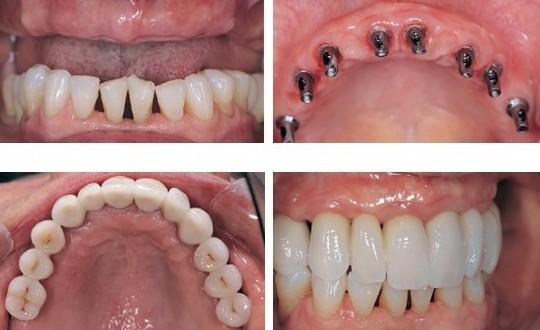
timing based on remaining tooth structure.
Pain, comfort, and recovery
- During treatment: Local anesthesia makes the procedure comfortable. You might feel pressure or vibration, but not sharp pain.
- After treatment: Mild soreness is common for 1–3 days and usually responds to over-the-counter pain relievers as recommended by your dentist. Avoid chewing hard foods on the treated side until your definitive restoration is placed.
- Red flags: Significant swelling, persistent pain beyond a few days, fever, or a loose temporary filling warrant a prompt follow-up.
How many visits and how long it takes
- Simple cases: Often completed in one long visit or two shorter visits.
- Complex cases: Roots with calcifications, curved canals, or previous failed treatment may require additional appointments and imaging.
- Crowns: Allow time for crown preparation, impression or scan, and final placement. Many clinics now offer digital scans and faster turnaround with CAD/CAM milling.
Language and cultural tips
- Key phrases: Terms like “root canal,” “endodontics,” “temporary filling,” and “crown” are widely understood in international clinics. In Chinese, root canal is often called 根管治疗 (gēn guǎn zhì liáo).
- Bring records: If you’ve had prior X-rays or treatment, bring digital copies to avoid repeat imaging.
- Scheduling: Popular clinicians book up quickly; secure appointments early, especially around national holidays.
Insurance and payment basics
- Mainland medical insurance: Public insurance typically focuses on basic care and varies by city. Many expats rely on international or employer-provided plans that reimburse private dental treatment.
- Direct billing: Some international clinics can bill certain insurers directly. Others provide detailed invoices for reimbursement.
- Documentation: Request itemized treatment notes, radiographs, and official receipts to support claims.
Safety, standards, and antibiotics
- Sterilization: Ask about sterilization protocols; reputable clinics follow strict standards with traceable sterilization logs.
- Antibiotics: Not always necessary. In many cases, local treatment resolves infection without systemic antibiotics. Your dentist will prescribe only if clinically indicated.
Common myths
- “Root canals are very painful.” With modern anesthesia and techniques, most patients report the procedure feels similar to getting a filling.
- “Extraction is better.” Saving a natural tooth helps preserve bite function and jawbone health, often making it the preferred option when feasible.
- “One size fits all.” Every case is different; the number of visits, need for a crown, and imaging depend on your tooth’s anatomy and condition.
Travel planning for non-residents
- Time buffer: Plan for initial consultation plus at least one to two treatment visits, and leave extra days for a crown if needed.
- Follow-up: Ask for written aftercare and contact options via phone, WeChat, or email. If you’re leaving China soon, arrange a dental summary to share with your hometown dentist.
Questions to bring to your appointment
- Will my case likely be one-visit or multi-visit, and why?
- Do you use a rubber dam and microscope?
- Will I need a crown after the root canal?
- What are the expected timelines for treatment and follow-up?
- How do you handle emergencies or post-op flare-ups?
Bottom line
A root canal in China in 2026 can be efficient, precise, and patient-friendly—especially in major cities with modern equipment and experienced clinicians. By choosing a qualified dentist, understanding the process, and planning for restoration and follow-up, you can save your tooth and get back to normal life with confidence.
















