








Dental Care in Shenzhen: A Complete Guide 2026
Shenzhen has grown from a manufacturing hub into a polished, tech-forward city with healthcare to match—and that includes modern, reliable dental care. Whether you are a long-term resident, an international professional in Nanshan, or a first-time visitor, understanding how to navigate dentists in Shenzhen will help you keep your smile healthy with less stress. This 2026 guide covers how to choose a clinic, what services to expect, how appointments work, and practical tips unique to the city.
How the dental system works in Shenzhen
You’ll find two main options: dental departments inside public hospitals and standalone private clinics. Public hospitals offer comprehensive care and are good for complex cases, but they can be busy and may require longer waits. Private clinics are usually faster to book, often feature bilingual teams, and increasingly invest in digital dentistry such as 3D imaging and same-day crowns.
How to choose a dentist
- Credentials and experience: Look for licensed dentists with clear training backgrounds. Many have advanced qualifications and research experience from China’s top stomatology universities or international programs.
- Language support: If you prefer English, focus on clinics in expat-heavy neighborhoods like Shekou (Nanshan) and the Futian CBD, or ask about translation support.
- Technology and hygiene: In 2026, digital X-rays, intraoral scanners, and CAD/CAM milling are common. Ask about sterilization protocols, single-use consumables, and whether the clinic follows international standards.
- Specialties available: For implants, orthodontics, pediatric care, or periodontics, ensure the clinic has dedicated specialists and can show case examples.
- Convenience and access: Consider proximity to metro stations, weekend hours, and whether the clinic offers online scheduling and e-consultations for follow-up.
Common dental services in Shenzhen
- Preventive care: Routine check-ups, professional cleanings, fluoride treatments, and sealants for children are widely available.
- Restorative dentistry: Fillings, inlays/onlays, crowns, bridges, root canals, and gum therapy. Digital impressions are replacing traditional molds in many clinics.
- Oral surgery: Wisdom tooth removal and minor surgical procedures, often with cone-beam CT imaging for precise planning.
- Orthodontics: Traditional braces and clear aligners are popular among teens and adults, with transparent treatment plans and digital progress tracking.
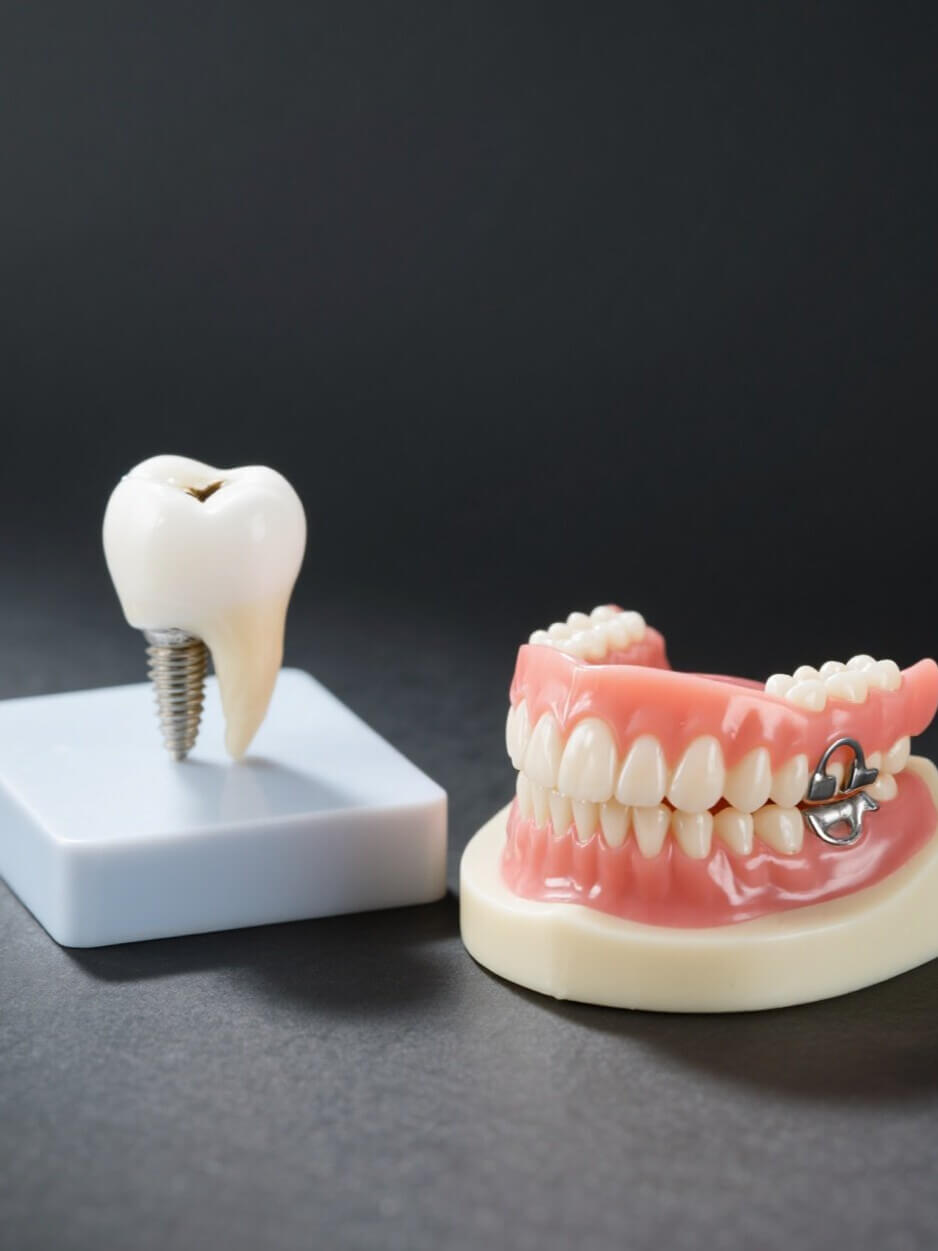
- Implants: Guided implant surgery with 3D planning is mainstream in 2026; ask about bone grafting options if needed.
- Cosmetic dentistry: Whitening, veneers, and recontouring are provided by many private practices with a focus on natural aesthetics.
- Pediatric dentistry: Child-friendly clinics emphasize behavior guidance, preventive education, and minimally invasive techniques.
What to expect at your appointment
- Booking: Most clinics accept calls, websites, and WeChat mini-programs for appointments. Peak times are evenings and weekends; plan ahead around national holidays.
- Check-in and assessment: Bring your ID or passport. You’ll complete a health history form, then a dentist or hygienist will perform an exam, often with digital photos or X-rays.
- Treatment plan: Expect a clear breakdown of findings and options. For larger procedures, you might receive a written plan, timelines, and aftercare guidance.
- Anesthesia and comfort: Local anesthesia is standard. Some clinics offer mild sedation for anxious patients or complex cases; ask about eligibility and monitoring.
- Aftercare and prescriptions: If medication is needed, prescriptions can be filled at hospital pharmacies or nearby drugstores. Digital aftercare instructions and follow-up reminders are common.
Insurance and payment
- Public insurance: Basic social medical insurance may cover limited dental services at public hospitals, primarily for medically necessary treatments. Coverage at
private clinics varies.
- Employer and international plans: Many expat-friendly clinics offer direct billing with major international insurers. Confirm network status in advance, and ask whether pre-authorization is required for major procedures.
- Documentation: Request an itemized invoice and an official fapiao for insurance claims. Clinics can include diagnostic codes upon request.
- Payment methods: WeChat Pay, Alipay, UnionPay, and international credit cards are widely accepted in private practices.
Language and communication tips
- If you need English, verify in advance that the treating dentist—not just front-desk staff—can communicate in English.
- Bring previous X-rays or treatment notes if you’ve seen a dentist elsewhere; most clinics can accept files via email or secure links.
- Don’t hesitate to ask for visuals: many clinicians in Shenzhen use chairside screens to show scans and explain options.
Neighborhood snapshot
- Nanshan and Shekou: Popular with expats, featuring international-style clinics, orthodontists, and implant centers. Convenient access via Line 2 and Line 9.
- Futian: Central business district with high-end clinics, specialists, and hospital dental departments.
- Luohu: Close to the Hong Kong border, with established hospitals and clinics suited to complex cases.
- Bao’an and Longhua: Rapidly expanding areas with newer clinics and family-focused practices.
Emergency dental care in Shenzhen
If you have severe toothache, facial swelling, trauma, or a knocked-out tooth, seek urgent care. Larger hospitals offer emergency dental services or can triage you through the ER. For a knocked-out adult tooth, handle it by the crown, gently rinse if dirty, try to reinsert it, or store it in milk or saline and get to a dentist quickly. Many private clinics provide same-day emergency slots; calling ahead helps.
Standards, safety, and quality
Shenzhen clinics emphasize sterilization and infection control, typically using Class B autoclaves, sealed instrument pouches, and single-use items. Radiation dosage for digital X-rays is controlled and explained to patients. Consent forms are standard for surgical and orthodontic procedures, and pediatric clinics follow child-specific safety protocols.
Trends shaping dental care in 2026
- Digital dentistry: Intraoral scanners and chairside milling enable same-day crowns and precise restorations.
- 3D imaging and guided surgery: More predictable implant placement and safer extractions.
- Clear aligners: Broader suitability thanks to improved materials and software-driven treatment planning.
- AI-assisted diagnostics: Early caries detection and treatment planning support, with dentists validating results.
- Tele-dentistry: Virtual consults for second opinions and postoperative check-ins, reducing travel time.
Prevention and everyday habits
- Brush twice daily with a fluoride toothpaste; consider an electric toothbrush.
- Floss or use interdental brushes once a day.
- Limit frequent snacking and sugary drinks; rinse after coffee or tea to reduce staining.
- Wear a mouthguard for contact sports; ask about night guards if you grind your teeth.
- Schedule check-ups every six months, or as advised if you have gum issues or ongoing orthodontic treatment.
Practical extras
- Appointments fill up quickly before major holidays; book early for pre-travel cleanings or procedures.
- For children, bring comfort items and ask about tell-show-do techniques to make visits easier.
- Pregnant patients: Routine cleanings and most simple treatments are generally scheduled during the second trimester; confirm with your dentist and obstetrician.
The bottom line
Shenzhen’s dental landscape in 2026 is modern, efficient, and increasingly patient-centered. With clear communication, smart clinic selection, and consistent preventive care, you can access high-quality dentistry—whether you need a straightforward cleaning, a carefully planned implant, or emergency help—right in the heart of this dynamic city.
















