








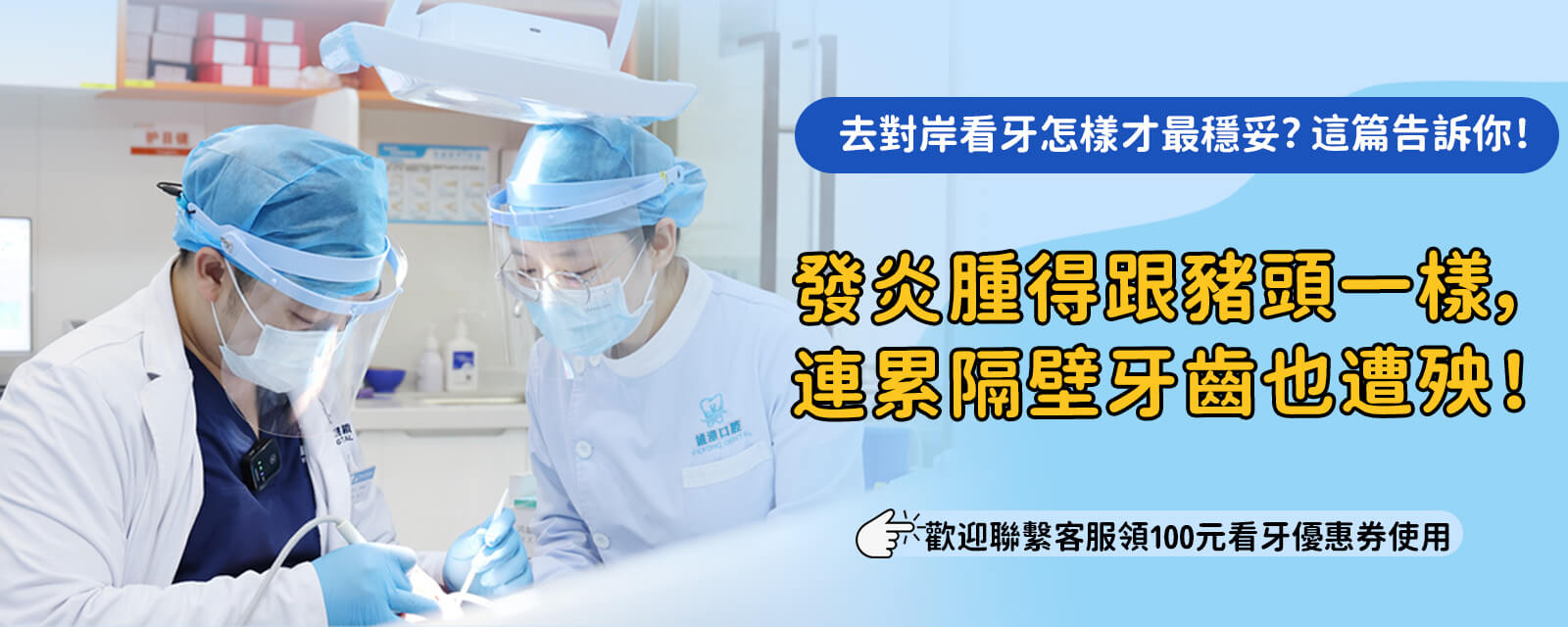
Tooth Filling in Hong Kong? Try Shenzhen Instead Today
If you live in Hong Kong and suddenly feel that sharp zing when you bite into something cold, you’re probably thinking about booking a tooth filling fast. Hong Kong has excellent dentists, but many locals and expats are looking north to Shenzhen for the same treatment—often with shorter wait times, modern clinics, and a surprisingly smooth experience. Whether you’ve chipped a molar or spotted a new cavity, here’s why making the quick hop to Shenzhen for a filling could be a smart move.
Why Shenzhen is becoming a go-to for dental care
Shenzhen’s dental scene has transformed in recent years. Walk into a reputable clinic and you’ll see digital X-rays, intraoral scanners, LED curing lights, and clean, well-organized operatories. Many clinics are geared toward cross-border patients and have bilingual staff, online booking, and streamlined protocols. For busy people, that combination—quality and convenience—matters as much as anything.
You may also find scheduling more flexible. Hong Kong clinics can be booked solid, especially for evening or weekend slots. In Shenzhen, same-week appointments for routine fillings are commonly available, which helps if you’re juggling work and family commitments and need treatment done sooner rather than later.
Getting there is easier than you think
From Hong Kong, Shenzhen is one train ride away. Popular crossings include Lo Wu/Luohu and Lok Ma Chau/Futian via the MTR, as well as Shenzhen Bay Port by bus or car. High-speed rail options to Futian or Shenzhen North are straightforward, with frequent departures and efficient immigration procedures. Many patients turn the trip into a half-day: morning crossing, appointment, lunch, and back by mid-afternoon. Just remember to bring valid travel documents and check the latest entry requirements before you go.
What a tooth filling typically involves
A standard filling is a quick, predictable procedure:
- Assessment: Your dentist examines the tooth, takes X-rays if needed, and explains your options.
- Anesthetic: A local anesthetic numbs the area, so you stay comfortable throughout.
- Decay removal: The dentist gently clears out decayed tissue and shapes the cavity.
- Restoration: Most clinics use tooth-colored composite resin, layered and hardened with a curing light for a natural look. In cases requiring more durability or coverage, your dentist may suggest an inlay or onlay (often porcelain or ceramic), which can be made chairside with CAD/CAM or fabricated by a lab.
- Finishing: The dentist polishes and checks your bite, ensuring it feels just like your own tooth.
After the anesthetic wears off, some mild sensitivity to hot or cold is normal for a few days. If sensitivity persists or the bite feels off, a quick adjustment usually solves it.
Quality and standards you can expect
Top Shenzhen clinics follow strict sterilization protocols: instrument autoclaving, single-use disposables where appropriate, and clear infection control measures. Many are international-accredited or adhere to standardized quality systems. You’ll often find dentis
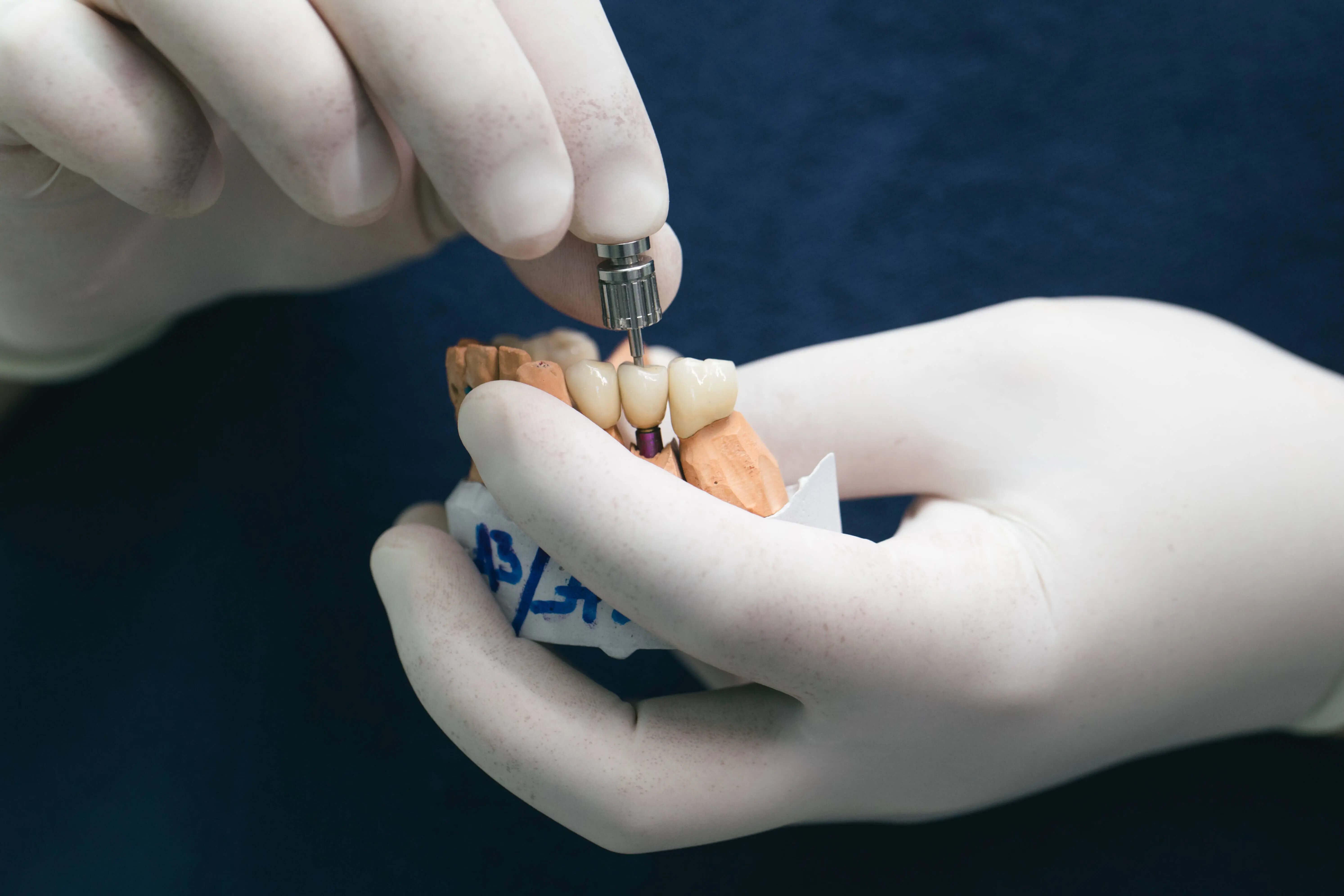
ts with training backgrounds across China and overseas, plus continuous professional education on newer materials and techniques. Composite resins today bond strongly and blend seamlessly with your natural enamel, making the filling nearly invisible.
Language and patient support
Concerned about communication? Plenty of Shenzhen dental teams cater to Hong Kong patients with English- and Cantonese-speaking staff. Before you book, look for clinics that:
- Offer bilingual consultations and post-care instructions
- Share treatment plans and X-rays digitally
- Provide WhatsApp/WeChat support for appointment reminders and follow-up questions
Making your appointment
Booking is typically done via website, app, or chat. When scheduling, share any relevant dental history, allergies, or previous X-rays. If you suspect a deeper problem—like prolonged pain or pressure sensitivity—the clinic may allot extra time for testing or discuss whether a root canal or onlay is better than a simple filling. If you’re planning same-day travel, aim for a morning slot to leave buffer time for transit and potential follow-up adjustments.
Insurance and payment considerations
Many cross-border patients pay with standard cards or mobile wallets. If you have dental coverage, ask your insurer whether cross-border treatments are reimbursable and what documentation you need. Clinics can usually provide detailed receipts, treatment codes, and radiographs. Always confirm accepted payment methods and paperwork before your visit so checkout is hassle-free.
Tips for a smoother trip and faster recovery
- Eat a light meal beforehand: Getting a filling on an empty stomach isn’t ideal, especially if anesthesia makes you a bit woozy.
- Avoid chewing on the treated side until numbness fades: It helps prevent accidental biting of the cheek or tongue.
- Skip very hard or sticky foods for 24 hours: Give the filling time to settle, especially with large restorations.
- Keep up good hygiene: Brush gently around the filled tooth and floss daily. A fluoride toothpaste can help reduce sensitivity.
- Watch for signs you should call the clinic: Persistent pain when biting, lingering hot/cold sensitivity after a week, or rough edges that catch floss.
Who should consider Shenzhen right now?
If you want a tooth-colored filling with a natural finish, prefer a quick appointment, and don’t mind a short cross-border trip, Shenzhen is a compelling choice. It’s especially practical for people living near northern New Territories or those comfortable using the MTR or high-speed rail. For anyone managing multiple dental needs—like cleaning, filling, and whitening—many clinics can bundle services into a single visit.
Bottom line
For a routine tooth filling, Shenzhen combines modern dental technology, accessible appointments, and patient-friendly services—all within a short ride from Hong Kong. If you need prompt, professional care without putting your week on hold, consider booking across the border. A small step—one train ride, one appointment—can get your smile back on track before that nagging sensitivity becomes a bigger problem.
















