








Teeth Cleaning in Shenzhen: A Beginner’s Guide 2026
If you’re new to teeth cleaning in Shenzhen, you’ll find a city that blends advanced dental technology with convenient, app-based services. Whether you’re a long-time resident or an expat settling into Futian, Nanshan, or Shekou, routine dental cleanings—also called scaling and polishing—are one of the easiest ways to keep your smile healthy and your dental costs predictable over time. This beginner’s guide walks you through how teeth cleaning works in Shenzhen, how to choose a clinic, what to expect on the day, and how to maintain results at home.
Why regular cleanings matter in Shenzhen
Shenzhen’s fast-paced lifestyle makes it tempting to postpone preventive care, but cleanings do more than make teeth feel smooth. Professional cleaning removes plaque and tartar (calculus) your toothbrush can’t, reduces gum inflammation, and gives your dentist a chance to catch early signs of cavities or gum disease. In a city with widespread coffee and tea culture, polishing can also help lift surface stains so your teeth look brighter without whitening.
What a dental cleaning includes
A standard dental cleaning in Shenzhen typically involves:
- Assessment: Your dentist or hygienist reviews your medical history, checks gum pockets, and evaluates plaque levels. If you’re new or overdue, they might recommend periodontal charting to measure gum health.
- Scaling: Using an ultrasonic scaler and fine hand instruments, the clinician removes tartar above and below the gumline. You’ll feel vibrations and cool water; it’s normal to hear slight scraping sounds.
- Polishing: After scaling, a gentle polishing paste smooths the enamel to discourage new plaque from sticking.
- Fluoride or desensitizing treatment (optional): Fluoride varnish strengthens enamel; if you experience sensitivity, a desensitizing gel may be offered.
- Home-care coaching: Expect tailored advice on brushing technique, flossing, and tools like interdental brushes or water flossers.
Choosing a dentist in Shenzhen
Shenzhen offers a range of options, from hospital-based stomatology departments to private clinics and international practices. When selecting a provider, consider:
- Credentials: Verify that the dentist is licensed in China and check clinic certifications. Ask about hygienist qualifications if applicable.
- Sterilization standards: Look for sealed instrument packets, chairside barriers, and clear infection control protocols.
- Language support: Many clinics in central districts offer English consultation; confirm in advance if you’re more comfortable in English or Cantonese.
- Technology: Digital X-rays, intraoral cameras, and ultrasonic scalers improve comfort and accuracy.
- Convenience: Proximity to a metro station, flexible hours, and easy booking via WeChat can make routine visits painless to schedule.
- Reputation: Browse recent reviews on local platforms and ask colleagues or neighbors for recommendations.
Booking and payment basics
Shenzhen is a digital-first city, and dentistry is no exception. Most clinics accept appointments through WeChat Official Accounts, mini programs, or phone. Same-week slots are common, but around national holidays or back-to-school season, book early. Many providers accept WeChat Pay, Alipay, and UnionPay; some international clinics also accept major credit cards. If you have insurance, ask about direct billing. Social insurance generally does not cover prophylactic cleanings; expats with international plans should check preventive benefits and networks.
What to bring
- Government ID or passport
- Insurance card or digital policy details
- A list of medications and any allergies
- Retainers, aligners, or night guards if you use them
What to expect during the visit
A routine cleaning takes about 30 to 60 minutes. Mild sensitivity is common while tartar is removed, especially if it’s been a while since your last cleaning. Let you
r clinician know if you feel discomfort; they can modulate the pressure, warm the rinse water, or apply desensitizers. Local anesthesia is rarely needed for regular cleanings, but for deeper periodontal maintenance, your dentist may numb specific areas.
If you haven’t had X-rays in over a year, your dentist may recommend bitewing images to check for cavities between teeth. This is optional and will be discussed based on your risk profile. Expect to receive a summary of findings, including any areas of gum inflammation, early decay, or cracks from clenching.
Aftercare tips
- Expect slight tenderness or sensitivity for 24 to 48 hours, especially near the gumline. Use a soft-bristled brush and lukewarm water.
- If you receive fluoride varnish, avoid eating for 30 minutes and skip very hard or sticky foods until the next day.
- Minimize staining drinks like coffee, tea, and red wine for the rest of the day if your teeth were polished.
- Floss gently that evening; if gums bleed, that’s usually a sign they’re inflamed and improving with care, not a reason to stop flossing.
- If sensitivity persists beyond a few days, contact your clinic.
How often to schedule cleanings
For most people, a cleaning every six months is ideal. You might need more frequent visits—every three to four months—if you have a history of gum disease, smoke, wear braces, have multiple dental restorations, or manage conditions like diabetes that affect gum health. Your dentist will personalize this interval based on your plaque control and gum measurements.
Special considerations in Shenzhen
- Families and kids: Pediatric-friendly clinics offer smaller tools, topical anesthetics for comfort, and behavior guidance. Cleanings for children often include sealant assessments.
- Orthodontic patients: If you wear aligners or retainers, bring them to your appointment. Ask for guidance on cleaning attachments and under wires.
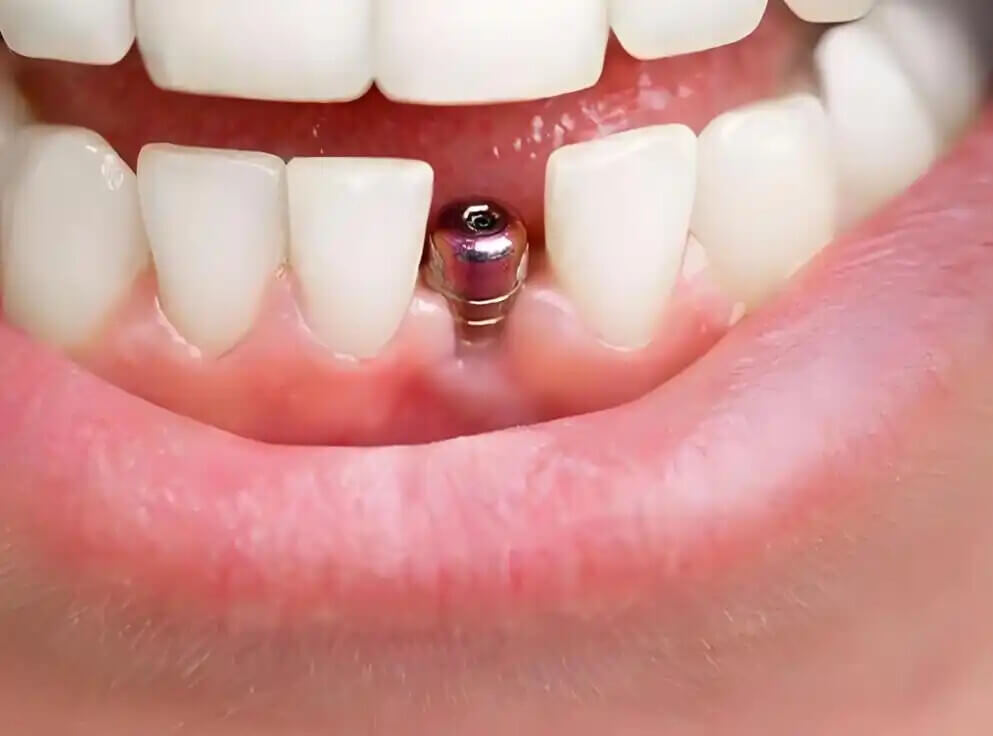
- Implants and crowns: Interdental brushes and superfloss can help clean around prosthetics; your hygienist can size these for you.
- Bruxism: If you clench or grind, your dentist may recommend a night guard and discuss strategies to protect enamel.
Common myths and realities
- Myth: Cleanings wear down enamel. Reality: Professional scaling targets hardened deposits, not healthy enamel. Using correct technique, it preserves tooth structure.
- Myth: If gums bleed, stop flossing. Reality: Bleeding usually reflects inflammation. Gentle, consistent flossing reduces bleeding over time.
- Myth: Cleaning equals whitening. Reality: Polishing removes surface stains but doesn’t change intrinsic tooth color. If you’re considering whitening, ask for a separate consultation.
Daily habits that extend your results
- Brush twice daily with fluoride toothpaste; consider an electric brush for consistent pressure.
- Clean between teeth daily using floss or interdental brushes.
- Rinse after meals if you can’t brush, especially after sweet or sticky foods.
- Limit frequent snacking and acidic drinks to protect enamel.
- Stay hydrated; it supports saliva, your mouth’s natural defense.
Getting there and timing your visit
Shenzhen’s metro makes most dental clinics easy to reach. Central districts like Futian and Nanshan cluster many options near transit hubs and business parks. If you drive, confirm parking in advance, as spaces can be limited. Schedule cleanings outside peak rush hours when possible, and plan ahead around major holidays such as Spring Festival and National Day, when clinics may have reduced hours.
The bottom line
Teeth cleaning in Shenzhen is straightforward, modern, and accessible. By choosing a reputable clinic, booking smartly through local apps, and sticking to a personalized schedule, you can keep your smile healthy and your dental visits stress-free. Start with a baseline cleaning, ask questions, and build a routine that fits your life in 2026. Your future self—and your gums—will thank you.
















