









Wisdom Tooth Removal: Hong Kong vs Shenzhen Prices Compared
Thinking about getting a wisdom tooth removed and wondering whether to do it in Hong Kong or just over the border in Shenzhen? You’re not alone. Many people weigh up the practicalities, comfort, and overall cost experience of both cities before booking an appointment. This guide walks you through what really drives the price of wisdom tooth extraction, how the clinical experience can differ, and the key factors to consider beyond the figure on your invoice. No two mouths are the same, and no two clinics price the same way, so focusing on the full picture will help you make a smart, safe choice.
What actually affects the cost of wisdom tooth removal
Prices aren’t arbitrary; they reflect a mix of clinical complexity and service design. The main drivers include:
- Case complexity: Straightforward extractions are typically simpler than impacted or partially erupted wisdom teeth, which may require gum incisions, bone removal, or sectioning of the tooth.
- Provider qualifications: A general dentist can remove many wisdom teeth, but complicated cases often go to an oral and maxillofacial surgeon. Specialist expertise influences the fee structure.
- Imaging: Panoramic X-rays or 3D CBCT scans help map nerve positions and root anatomy. Advanced imaging adds to the clinical cost but lowers surgical surprises.
- Anesthesia options: Local anesthesia is the standard, while oral sedation, IV sedation, or general anesthesia require additional staff, equipment, and monitoring.
- Facility and sterilization standards: Modern clinics with stringent infection control protocols, single-use kits, and accredited facilities reflect those investments in their pricing.
- Time and follow-up: Pre-surgical consultations, post-op checkups, suture removal, and emergency access are part of the total care package.
- Medications and consumables: Antibiotics when indicated, pain relief, antiseptic rinses, and surgical consumables contribute to the overall bill.
The Hong Kong experience
Hong Kong’s private dental sector is known for robust regulation, consistent infection control standards, and broad availability of English and Cantonese-speaking clinicians. Many people appreciate the transparency of treatment plans and the ease of returning for follow-ups if swelling, dry socket, or bite issues arise. Same-city care often means shorter travel times, minimal border logistics, and easier coordination if you need urgent reassessment after surgery.
Public options for routine dental care are limited in Hong Kong, and many residents rely on private dentists for wisdom tooth removal. The city’s clinical ecosystem places emphasis on clear consent processes, documented treatment plans, and itemized receipts—helpful if you’re claiming on dental insurance. If you prefer sedation dentistry, you’ll find clinics equipped for monitored sedation or hospital-based extractions for complex cases, with systems to mitigate risk and ensure reliable recovery pathways.
The Shenzhen option
Shenzhen’s dental sector has grown rapidly, with many modern clinics offering comprehensive services and streamlined booking—often with shorter lead times. It’s common to see bundled care plans that package consultation, imaging, extraction, and follow-ups under a single proposal, which some patients find easier to evaluate. For those who perceive cross-border dentistry as more affordable, Shenzhen’s clinics can be attractive, especially for straightforward extractions.
However, cross-border care introduces practical considerations that influence the total experience. You’ll need to plan travel, factor in recovery comfort for the return trip, and think about follow-ups. Language isn’t usually a barrier if you’re comfortable with Mandarin, though not all clinics offer English or Cantonese.
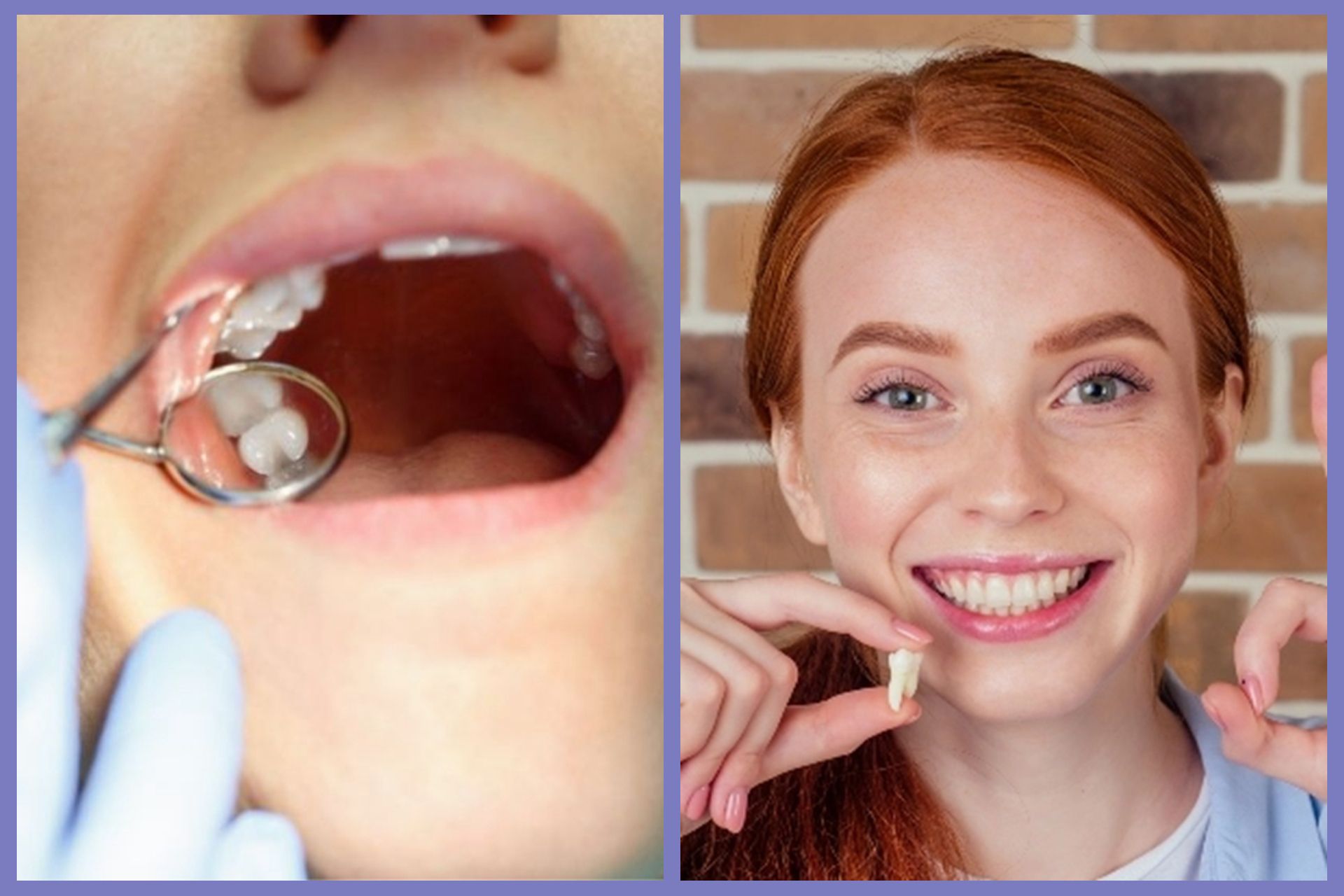
It’s crucial to check the clinic’s credentials, sterilization protocols, and surgeon qualifications, and to clarify how post-op issues will be handled if you’re back in Hong Kong.
Quality and safety across both cities
Whether you choose Hong Kong or Shenzhen, prioritize clinics that:
- Provide thorough diagnostics, including appropriate imaging, before extraction.
- Explain risks and alternatives, especially for impacted teeth near nerves.
- Outline anesthesia options and monitoring standards.
- Demonstrate clear sterilization procedures and infection control.
- Offer a documented aftercare plan, including how to reach a clinician if pain spikes or bleeding persists.
Don’t be shy about asking for the clinician’s credentials, experience with complex impactions, and examples of similar cases. Good dentists welcome informed questions.
Insurance, billing, and paperwork
If you have dental insurance, check how claims work for Hong Kong versus Shenzhen. Some policies reimburse only local care, require specific receipts, or need pre-authorization for surgical extractions or sedation. Ask for itemized documentation that lists the diagnosis, procedure codes where available, and anesthesia type. If your insurer uses direct billing agreements, confirm whether the clinic participates.
Scheduling, downtime, and logistics
Wisdom tooth removal is a minor surgical procedure, but it still deserves planning:
- Schedule around a few days of reduced activity, especially if you’re having multiple teeth removed or opting for sedation.
- If traveling to Shenzhen, plan how you’ll feel on the return journey when anesthesia wears off and swelling sets in. Soft foods, ice packs, and rest are your friends.
- Confirm who to call if you develop symptoms like persistent pain, foul taste (suggestive of dry socket), or fever. Knowing the plan in advance eases anxiety.
Comparing Hong Kong vs Shenzhen prices without quoting numbers
While this article avoids specific figures, it’s fair to say that patients often perceive Shenzhen as more budget-friendly, particularly for straightforward cases. Hong Kong’s pricing can reflect higher overheads, broader English-language support, and tighter integration with local insurance and follow-up care. The key is to evaluate the total value: clinical expertise, convenience, communication, and aftercare access. Sometimes a shorter commute and an easy follow-up outweigh a modest saving; other times, a well-rated Shenzhen clinic with clear protocols and bundled care makes sense.
A practical checklist for your final decision
- Diagnostic clarity: Did the dentist review your imaging and explain nerve proximity and surgical steps?
- Anesthesia plan: Are your pain management options clear, including risks and recovery expectations?
- Scope of quote: Does the proposal specify what’s included—consultations, imaging, extraction, sutures, medications, follow-ups, and emergency checks?
- Surgeon credentials: Who will perform the extraction and how often do they handle cases like yours?
- Aftercare access: What if complications arise? Can you be seen quickly, and where?
- Communication: Are you comfortable with the language and the clinic’s responsiveness?
- Logistics: How easy is the trip, and will travel add stress during recovery?
Bottom line
Wisdom tooth removal isn’t just about the price tag; it’s about safety, comfort, and continuity of care. Hong Kong offers a tightly regulated environment and seamless follow-ups, while Shenzhen provides a dynamic marketplace with modern facilities and often more flexible scheduling. Compare not only the fee but the full experience—diagnostics, expertise, anesthesia, aftercare, and logistics. With the right questions and a clear plan, you can choose the city and clinic that align with your comfort, schedule, and overall value expectations.
















