









How Much for Tooth Filling in Shenzhen Today? (2026)
If you’re searching for how much a tooth filling costs in Shenzhen in 2026, you’ve probably noticed the answers aren’t straightforward. That’s because “a filling” can mean very different things depending on the tooth, the material, and the clinic. The good news: Shenzhen’s dental scene is mature, tech-forward, and increasingly transparent. With a little know-how, you can anticipate where your quote will likely land and make a choice that balances durability, appearance, and budget—without overpaying.
What actually drives the price
A filling’s price isn’t pulled from thin air. It’s tied to specific clinical and service factors. The main ones are:
- Material chosen: Composite resin is the standard for aesthetic, tooth-colored fillings. Glass ionomer may be used for certain cases (like near the gumline) where moisture control is tricky. Ceramic inlays/onlays are lab-made and favored for strength and longevity in larger restorations. Amalgam is rare in modern private clinics in Shenzhen, but still exists in some settings.
- Tooth location and size: A small cavity on a front tooth is simpler than a large, multi-surface cavity on a molar. The more surfaces involved, the more time and material required.
- Complexity: Deep decay close to the nerve, old fillings to remove, cracked enamel, or tricky moisture control can add steps such as liners, bases, or advanced bonding techniques.
- Diagnostics and tools: Expect at least a digital X-ray for anything beyond the most superficial lesion. Many clinics use rubber dams, high-quality adhesives, and polishing kits, all of which influence cost and longevity.
- Clinic type: Public grade-A hospitals, private chains, boutique practices, and international clinics each price differently. International clinics and premium private practices often include longer chair time, bilingual staff, and extras like extended warranties.
- Dentist experience: Senior specialists or restorative dentists with advanced training usually command higher fees than general practitioners or residents.
- Location and timing: Prime locations (for example, CBDs and expat-heavy neighborhoods) and peak times may carry higher fees than suburban or off-peak appointments.
- Aftercare and warranty: Some clinics bundle checkups or offer warranties on certain materials and procedures.
Why ranges vary so much
Online, you’ll see widely varying quotes for “tooth filling Shenzhen.” Often, one quote includes X-rays and polish, another is material-only, and a third is quoting a ceramic onlay rather than a simple filling. To compare apples to apples, ask clinics to itemize:
- Examination and X-ray
- Anesthesia
- Isolation method (rubber dam or alternative)
- Filling material brand and type
- Polishing and bite adjustment
- Follow-up visit or warranty
What happens during a typical filling appointment
A straightforward filling is usually a single visit. Here’s what to expect:
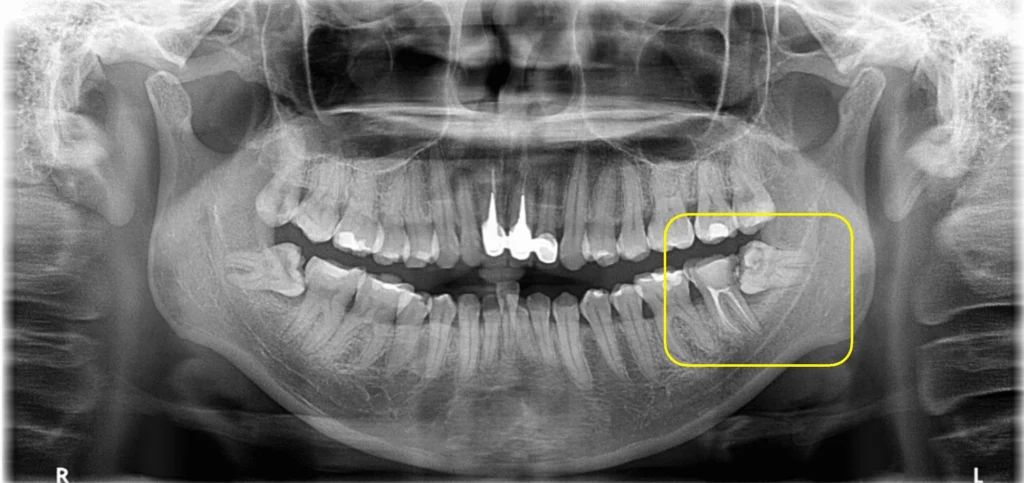
- Assessment and imaging: Your dentist confirms the diagnosis, often with a digital X-ray to check depth and proximity to the nerve.
- Options and consent: You’ll be offered material choices (e.g., composite vs. ceramic inlay/onlay for larger defects) and a written treatment plan.
- Preparation and isolation: Local anesthesia as needed; rubber dam or other isolation to keep the tooth dry; removal of decay and shaping.
- Restoration: Layered bonding for composite fillings; sculpting to your bite; or, for ceramic inlays/onlays, a scan or impression for lab fabrication, sometimes requiring a second visit.
- Finishing and instructions: Polishing, bite check, and guidance on sensitivity and care.
Sensitivity for a few days is common, especially for deep restorations. Persistent pain or sharp bite discomfort warrants a quick check.
Composite vs. ceramic: which fits your case?
- Composite resin: Tooth-colored, versatile, and conser
vative. Great for small to medium cavities and for front teeth where aesthetics matter. Strong when placed with good isolation and bonding.
- Ceramic inlays/onlays: Ideal when a cavity is too large for a standard filling but not quite a crown. Lab-made and very durable, they preserve more tooth than a full crown and maintain strength in chewing areas.
If the decay is extensive or the tooth is cracked, your dentist may suggest an onlay or even a crown rather than a traditional filling. Severe pain or lingering sensitivity could indicate the need for a root canal before any final restoration.
Choosing a clinic in Shenzhen
Shenzhen offers many options, from public hospitals to private and international clinics. Consider:
- Credentials and experience: Look for clinicians with restorative or prosthodontic training and ongoing education.
- Technology: Digital X-rays, intraoral scanners, and magnification improve accuracy and comfort.
- Communication: Clear explanations, bilingual support if needed, and written treatment plans.
- Hygiene and protocols: Rubber dam use, sterile workflow, and documented materials.
- Reviews and referrals: Genuine patient feedback can reveal consistency in care.
Insurance and payment nuances
In mainland China, routine dental treatment is often out-of-pocket. Some employer-sponsored or international plans reimburse fillings, especially in expat-focused clinics. Tips:
- Ask for a detailed invoice (fapiao) with procedure codes and material details.
- Check whether your insurer requires pre-authorization.
- Confirm whether your plan differentiates between direct fillings and lab-made inlays/onlays.
- Be mindful that public social insurance typically offers limited dental benefits; supplemental plans vary widely.
Practical ways to manage your budget
- Get two to three itemized quotes for the same plan and material.
- If you’re flexible, request off-peak appointments.
- Ask whether a small early cavity can be managed minimally with preventive measures, or whether immediate restoration is advisable.
- Discuss staged treatment if multiple teeth are affected, addressing the most urgent first.
- Consider public hospitals for straightforward cases if you don’t mind queues; opt for private or international clinics when you value comfort, speed, and communication.
Red flags to avoid
- No X-ray offered before a large filling or replacement.
- No isolation method described; moisture control is critical for bonding.
- Quotes that seem unrealistically low for complex restorations, especially if they include lab work, may imply shortcuts.
- Pressure to upsize treatment without clear clinical rationale.
Questions to ask your dentist
- Which material do you recommend and why for this specific tooth?
- How much sound tooth structure remains after removing decay?
- Will you use a rubber dam or another isolation method?
- What’s the expected lifespan and what could shorten it?
- What aftercare is included and is there a warranty policy?
Care after your filling
Avoid hard chewing on the treated side until numbness wears off. A mild ache or temperature sensitivity can be normal; use a soft brush and keep the area clean. If your bite feels off or sensitivity worsens, return for an adjustment—small tweaks can make a big difference. Regular cleanings and early checkups help catch tiny issues before they grow.
Bottom line for 2026
There isn’t a single number that fits every tooth filling in Shenzhen, because the right solution depends on the tooth, the material, and the clinic’s approach. Focus on clarity: material choice, isolation, imaging, and aftercare. With Shenzhen’s mix of capable public hospitals and high-tech private clinics, you can find a solution that fits your smile, schedule, and budget. Get a couple of itemized plans, ask smart questions, and choose the option that gives you confidence—not just today, but years down the line.
















