









Pain Free Tooth: When to See a Dentist – Save Money
If your teeth don’t hurt, it’s tempting to assume everything is fine. But “no pain” doesn’t always mean “no problem.” Many dental issues start quietly and only cause discomfort when they’ve become complicated and more expensive to fix. Knowing when to see a dentist even with a pain free tooth can protect your smile and your budget.
Why teeth can be trouble without pain
- Enamel has no nerves. Early cavities and tiny cracks can form in enamel without causing pain.
- Gum disease is sneaky. Gums can be inflamed and infected with little or no discomfort until the disease is advanced.
- Nerves can “go quiet.” If a tooth’s nerve dies after trauma or deep decay, the pain may stop, but infection can still spread.
- Pain thresholds vary. Medications, stress, and individual sensitivity can mask symptoms you might otherwise notice.
In short, pain is a poor early warning system. Preventive dental care is the real early alert.
Signs you should see a dentist even if everything feels fine
Schedule a checkup if you notice any of the following, even without toothache:
- Bleeding gums when brushing or flossing
- Bad breath that doesn’t improve with brushing or mouthwash
- Cold, heat, or sweet sensitivity that lingers more than a few seconds
- Dark spots, white chalky patches, or hairline cracks on teeth
- Floss catching or shredding between the same teeth
- Rough edges, chips, or a filling that feels “off”
- Popping or clicking in your jaw, morning headaches, or teeth that look worn flat (possible grinding)
- Receding gums or teeth that appear longer than they used to
- Mouth sores that last more than two weeks
- Persistent dry mouth, especially if you take multiple medications
- Ill-fitting crowns, bridges, or dentures, or food getting trapped under them
Routine visits are budget-friendly
Waiting for pain usually means bigger treatments. Routine cleanings and exams help you:
- Catch cavities while they’re still tiny and inexpensive to restore
- Remove tartar and bacteria that lead to gum disease and tooth loss
- Monitor wisdom teeth before they cause crowding or infection
- Spot cracks or failing fillings before they break
- Track changes with low-dose X-rays as recommended, so hidden issues don’t surprise you later
Think of it like maintaining a car. Oil changes cost less than engine repairs. Dentistry works the same way: early detection saves money, time, and teeth.
How often should you go if you’re pain free?
For most healthy adults, twice a year is a good starting point, but your dentist may suggest a different schedule based on your risk for decay, gum disease, or grinding. People with diabetes, dry mouth, braces, pregnancy, or a history of gum disease often benefit from more frequent cleanings.
At-home habits that protect your wallet
Small daily choices add up to big savings on dental bills:
- Brush twice a day with a fl
uoride toothpaste. It strengthens enamel and helps reverse early decay.
- Floss or use a water flosser daily. Skipping floss is like washing only half your teeth.
- Limit frequent snacking and sipping on sugary or acidic drinks. Give your saliva time to repair enamel between meals.
- Drink water, especially after coffee, tea, juice, or sports drinks. It helps neutralize acids.
- Choose sugar-free gum after meals to stimulate saliva.
- Wear a nightguard if you grind. Grinding can crack teeth and crowns silently; a guard is cheaper than major repairs.
- Protect your smile during sports with a mouthguard.
- Manage dry mouth by staying hydrated and talking to your dental professional about saliva-support strategies if needed.
- Don’t ignore the basics. New toothbrush every three to four months, or sooner if bristles fray.
Common scenarios where “no pain” still means “see a dentist”
- You chipped a tooth but it doesn’t hurt. Sharp edges and microcracks can trap bacteria and lead to decay or bigger breaks.
- An old filling looks stained. Staining can signal a leak where decay sneaks in under the filling.
- Your gums bleed “just a little.” Healthy gums don’t bleed. Early gingivitis is easy to reverse; advanced gum disease is not.
- You had a bump on your gum that came and went. That can be a sign of a low-grade tooth infection that flares periodically.
- Your breath changed. Persistent bad breath often points to gum disease or trapped food under dental work.
What to expect at a pain-free visit
A typical preventive visit includes:
- A conversation about your health, habits, and any subtle changes you’ve noticed
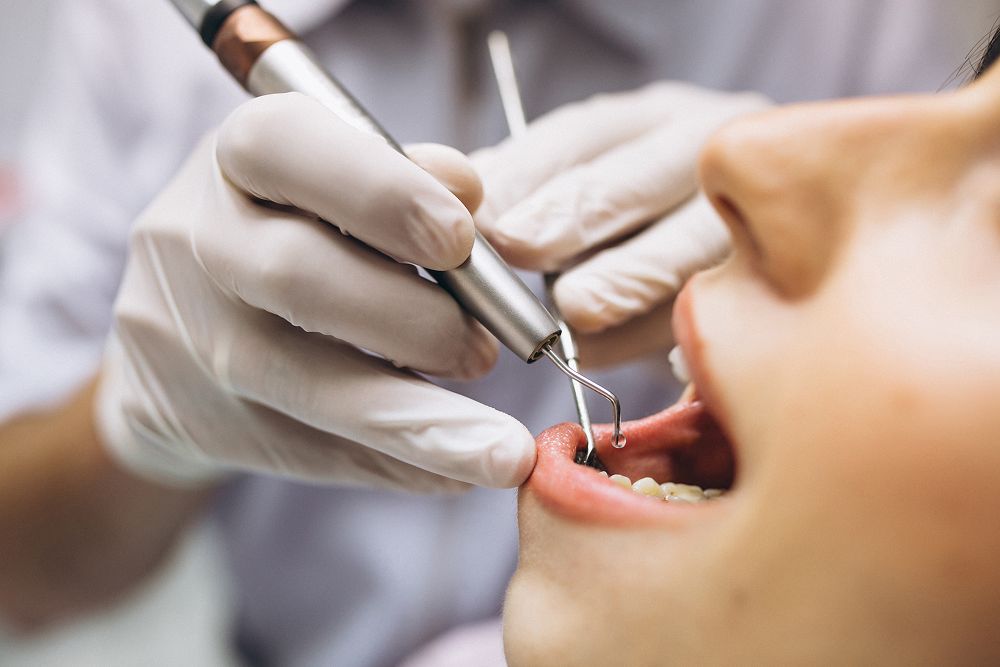
- A thorough cleaning to remove plaque and tartar in spots you can’t reach at home
- A periodontal evaluation to check gum health
- X-rays as needed to see between teeth and under old fillings
- An exam for cavities, cracks, oral cancer, and bite issues
- A personalized plan focused on prevention, not just repairs
If you haven’t been in a while, don’t stress. Dental teams see all kinds of situations every day, and the goal is to help you get back on track comfortably.
Kids, adults, and older smiles: different needs, same rule
- Children: Early visits build good habits and catch issues like early cavities or crowding before they escalate.
- Adults: Work, stress, and diet changes can increase risk for grinding and decay—stay consistent with checkups.
- Older adults: Dry mouth, medications, and gum recession raise risk. Regular visits help protect natural teeth and dental work.
Bottom line: Don’t wait for pain
A pain free tooth is not a guarantee of healthy teeth. The best time to see a dentist is before you need urgent treatment. Prioritize regular checkups, pay attention to subtle signs, and keep up your daily routine at home. These simple steps make the difference between minor tune-ups and major repairs—and they help you save money while keeping your smile strong.
















