









Failed Root Canal: Serious or Not? What to Do Next
Hearing that a root canal has “failed” can be stressful, especially if you’ve already invested time and effort into saving your tooth. The good news is that a failed root canal isn’t always an emergency, and there are proven ways to fix it. Understanding what’s going on, how serious it might be, and your options helps you make a calm, confident decision about your next steps.
What is a failed root canal?
A root canal is designed to remove infected or inflamed pulp inside a tooth, disinfect the canals, and seal them to prevent bacteria from getting back in. A “failed” root canal means the tooth didn’t heal properly or got reinfected later. This can happen weeks or even years after the original treatment. Sometimes the signs are obvious; other times, it’s something your dentist picks up on a routine x-ray.
Is it serious?
It can be, but not always. Think of it as a spectrum. Mild symptoms might mean a small area of lingering inflammation, while severe pain and swelling could suggest a more active infection that needs prompt attention. Ignoring a failed root canal can lead to an abscess, bone loss around the tooth, or infection spreading to other areas. That said, many failed root canals can be successfully treated and the tooth saved.
Common signs and symptoms
You may experience one or more of the following:
- Persistent or returning tooth pain, especially when biting or chewing
- Sensitivity that lingers with hot or cold
- Swelling of the gum or face near the tooth
- A small pimple-like bump on the gum that may drain fluid
- Bad taste or odor in the mouth
- Tooth discoloration or darkening
- Tenderness when tapping on the tooth
- The tooth feels loose
If you have fever, facial swelling spreading toward the eye or neck, difficulty swallowing, or trouble breathing, seek urgent care immediately. Those are signs the infection is spreading and needs immediate medical attention.
Why root canals fail
Root canals are highly successful, but teeth and bacteria can be tricky. Common reasons for failure include:
- Complex or curved canals that are hard to fully clean and fill
- A missed canal that harbors bacteria
- Micro-cracks in the tooth that let bacteria in
- New decay around an old filling or crown, creating a leaky seal
- Delaying or skipping the final crown, allowing reinfection
- Persistent bacterial biofilm that resists initial disinfection
- A loose or broken restoration over time
What to do next
Step one: call your dentist or an endodontist (a specialist in root canals). Describe your symptoms and how long you’ve had them. If you’re in significant pain or have swelling, let them know so they can prioritize you.
While waiting for your appointment, you can:
- Avoid chewing on the affected side
- Maintain gentle but thorough oral hygiene
- Rinse with warm salt water to soothe the area
- Use over-the-counter pain relievers as directed on the label
Avoid self-diagnosing or starting leftover antibiotics. Antibiotics alone won’t cure an infected root canal because the source is inside the tooth; definitive treatment is needed.
How your dentist will evaluate it
A careful exam and x-rays are essential. Your dentist may also recommend a 3D scan (CBCT) to visualize tiny canals, fractures, or bone changes that don’t show on standard x-rays. They’ll evaluate the integrity of your filling or crown, look for cracks, and determine whether the tooth is restorable. Then they’ll review your options and expected outcomes.
Treatment o
ptions
- Root canal retreatment: This is often the first choice. The dentist removes the old root canal material, re-cleans and shapes the canals, disinfects the tooth, and places a new filling. With modern techniques and magnification, retreatment can address missed canals or reinfection and has a strong success rate, especially when followed by a well-sealed crown.
- Apicoectomy (root-end surgery): If retreatment isn’t possible or hasn’t resolved the problem, a minor surgical procedure can remove the tip of the root and any infected tissue. The root end is sealed to prevent further bacterial entry. This option is useful when the issue is at the root tip or when canals are blocked or inaccessible from the top.
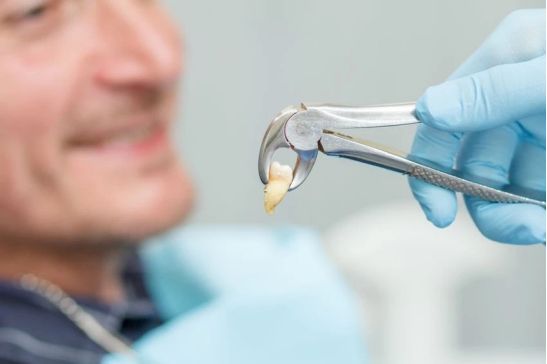
- Extraction and replacement: If the tooth has a vertical crack, severe decay under the gumline, or insufficient structure to support a crown, removing the tooth may be the safest choice. Replacement options include a dental implant, a bridge, or a partial denture. Your dentist will help you weigh factors like bone health, adjacent teeth, and your oral habits.
- Short-term measures: If there’s an abscess, the dentist may drain it to relieve pressure. Antibiotics may be prescribed if there are signs of spreading infection or systemic symptoms, but they’re usually adjuncts, not standalone treatment.
How urgent is it?
Most failed root canals can be addressed on a standard appointment timeline without panic. However, escalating pain, significant swelling, fever, or a spreading infection warrants urgent evaluation. Trust your gut: if it feels like it’s getting worse quickly, don’t wait.
What to expect during recovery
After retreatment or surgery, mild tenderness is common for a few days. Follow your dentist’s instructions, avoid biting hard foods, and keep the area clean. Many patients feel noticeable relief within a week, with full healing of bone changes taking several months. Your dentist may schedule follow-up x-rays to confirm progress.
Preventing future problems
A well-sealed, well-protected tooth is far less likely to fail again. These tips help:
- Get the final crown or onlay promptly after treatment
- Repair or replace old, leaky fillings before they cause reinfection
- Brush twice daily, floss once, and consider an antibacterial mouth rinse
- Wear a nightguard if you clench or grind your teeth
- Avoid chewing ice and very hard foods that can crack teeth
- Keep regular dental checkups and cleanings
Frequently asked questions
Does a failed root canal always hurt? Not always. Some failed root canals are silent, showing only on x-rays. That’s why routine exams are important.
Can it heal on its own? No. If bacteria are present inside the tooth, they won’t be eliminated without retreatment, surgery, or extraction.
Are antibiotics enough? Antibiotics can help control spreading infection, but they don’t remove the source inside the tooth. Definitive dental treatment is necessary.
Could this affect my overall health? Dental infections can impact your overall well-being, particularly if they spread. Addressing the issue promptly helps protect both your oral and systemic health.
Bottom line
A failed root canal can be frustrating, but it’s not the end of the road for your tooth. With timely evaluation and the right treatment—whether retreatment, an apicoectomy, or a replacement—you can resolve the infection, relieve pain, and get back to normal. If something feels off with a previously treated tooth, don’t wait. A quick call to your dentist is the best next step.
















