









Root Canal Failed: Causes, Risks & What to Expect 2026
If you’ve had a root canal and the tooth starts hurting again, it’s natural to feel frustrated and worried. A “failed root canal” doesn’t necessarily mean something went terribly wrong the first time. Teeth are complex, bacteria are stubborn, and sometimes the infection persists or returns. The good news: modern endodontic care continues to advance, and most failed root canals can be successfully treated. Here’s what to know in 2026 about causes, risks, and what to expect next.
What a Failed Root Canal Really Means
A root canal is designed to clean, disinfect, and seal the inside of a tooth to stop infection and save the tooth. When a root canal is considered “failed,” it typically means one or more of the following:
- Persistent symptoms like pain, swelling, or sensitivity months after treatment
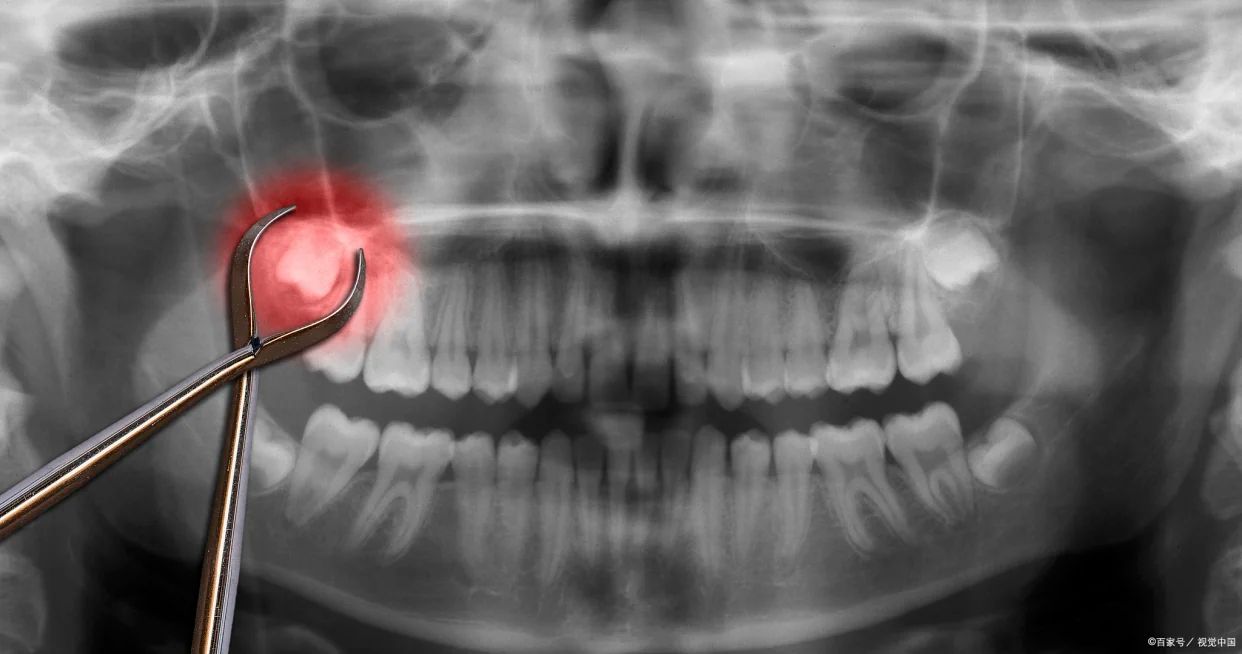
- A new or enlarging dark area on X-rays around the root tip (sign of ongoing inflammation)
- A draining pimple on the gum near the tooth
- Reinfection due to leakage, new decay, or a crack
Common Causes of a Failed Root Canal
Several factors can undermine the success of a root canal over time. Understanding them helps you and your dentist choose the right fix.
- Missed anatomy: Some teeth have extra canals or unusual curves. If a canal was missed or not cleaned fully, bacteria can hide and survive.
- Leakage or delayed crown: If the filling or crown was delayed or not well sealed, saliva and bacteria can sneak back in and re-infect the tooth.
- Complex infection: Bacteria in biofilms are resilient. Even with thorough cleaning, some microbes may persist in tiny tubules or accessory canals.
- New decay: Cavities can form around old fillings or edges of a crown, creating a pathway for bacteria.
- Cracks or fractures: A vertical root fracture or cracked tooth can let bacteria into areas that are hard to disinfect.
- Instrument or procedural complications: A separated file, perforation, or blocked canal can reduce how well the tooth was cleaned and sealed.
- Systemic and lifestyle factors: Smoking, uncontrolled diabetes, dry mouth, and poor oral hygiene increase the risk of reinfection.
Signs and Symptoms to Watch
- Persistent, throbbing pain or tenderness when chewing
- Sensitivity to hot or cold that lingers
- Gum swelling, redness, or a small bump that drains
- Bad taste or odor near the tooth
- Loosening of the tooth or discomfort that comes and goes
Risks of Leaving a Failed Root Canal Untreated
Ignoring a failed root canal increases the chance of:
- Worsening infection and abscess formation
- Bone loss around the root, making future treatment harder
- Spread of infection into nearby tissues
- Tooth fracture or loss
These complications are often preventable with timely care.
What to Expect in 2026: Diagnosis and Planning
Endodontic diagnostics continue to improve, making retreatment more precise and predictable.
- Cone-beam CT (CBCT): 3D imaging helps identify missed canals, hidden cracks, and the exact size of any lesion. Many specialty practices now use CBCT for complex cases.
- Enhanced disinfection techniques: Ultrasonic and activated irrigation, heat-activated obturation, and photoactivated disinfection are increasingly common, helping break down biofilms more effectively.
- Bioceramic materials: Modern sealers and repair materials bond well, seal tightly, and are highly biocompatible, improving long-term outcomes.
- Digital workf
low: Better isolation techniques, magnification with dental microscopes, and more efficient instrumentation help locate and clean canals that were previously overlooked.
Your Options If a Root Canal Fails
The right choice depends on the tooth’s condition, your overall oral health, and imaging findings. Your dentist or endodontist will discuss the pros and cons of each path.
- Retreatment (repeat root canal): The existing filling material is removed, the canals are re-cleaned and disinfected, and the tooth is resealed. Retreatment is usually the first choice if the tooth structure is sound and there’s no root fracture.
- Apicoectomy (surgical root-end treatment): For persistent infection at the root tip, a small surgical procedure removes the end of the root and any inflamed tissue, followed by a sealed repair. Often used when retreatment is difficult or has already failed.
- Extraction and replacement: If the tooth is cracked beyond repair or severely compromised, removal may be advised. Replacement options include implants, bridges, or partial dentures. Your dentist will help you decide based on bite, bone health, and neighboring teeth.
What the Retreatment Process Feels Like
- Exam and imaging: Expect a thorough evaluation with X-rays and possibly CBCT.
- Anesthesia: Your tooth and surrounding area will be numbed; discomfort during the procedure is usually minimal.
- Cleaning and sealing: The dentist removes old material, disinfects, and closes the canals with modern sealers. A new temporary or permanent restoration is placed.
- Follow-up: You may need a new crown or a replacement crown to ensure a tight seal and proper bite.
- Recovery: Mild soreness for a few days is common. Over-the-counter pain relievers and following instructions typically keep you comfortable.
Recovery Timeline and Care Tips
- First 24–72 hours: Expect tenderness, especially when chewing. Avoid hard or sticky foods on the treated side.
- One to two weeks: Symptoms should steadily improve. If pain persists or swelling increases, contact your dentist.
- Long-term: The area around the root may take months to fully heal on X-rays, even if you feel fine. Keep scheduled follow-ups.
Prevention: How to Protect a Root Canal
- Get a well-fitted crown or final restoration promptly after treatment.
- Maintain excellent oral hygiene: Twice-daily brushing, daily flossing, and antimicrobial rinses as advised.
- Address bite issues and grinding: Consider a night guard if you clench or grind.
- Limit sugar and acidic drinks that fuel decay.
- Keep regular checkups and cleanings, and don’t ignore new sensitivity or changes.
When to Call Your Dentist
- Pain that doesn’t improve within a few days after retreatment
- Swelling, fever, or a gum bump that drains
- A cracked or loose crown, or a filling that comes off
- New sensitivity to chewing or temperature
Bottom Line
A failed root canal can be discouraging, but it’s not the end of the line for your tooth. With better imaging, advanced disinfection, and bioceramic sealing materials, retreatment outcomes in 2026 are more predictable than ever. Acting promptly, choosing the right treatment path, and protecting the tooth with a high-quality restoration give you the best chance to keep your natural tooth comfortable and functional for years to come. If you’re noticing symptoms or something just doesn’t feel right, schedule an evaluation and get a clear plan tailored to your situation.
















