









Tooth Necrosis: When to See a Dentist – Save Money
If a tooth suddenly changes color, hurts when you chew, or gives off a bad taste, you might be dealing with tooth necrosis—commonly called a “dead tooth.” It sounds scary, but understanding what’s happening and acting quickly can protect your health and your wallet. Here’s a clear, no‑nonsense guide to recognizing tooth necrosis, knowing when to see a dentist, and practical ways to reduce your overall costs.
What is tooth necrosis?
Tooth necrosis (also called pulp necrosis or a dead tooth) means the soft tissue inside your tooth—the pulp—has lost its blood supply and died. The pulp houses nerves and blood vessels, and when it’s damaged by decay, trauma, or infection, it can’t heal on its own. Left untreated, bacteria can multiply in the dead tissue, leading to an abscess, bone loss, and even spread of infection to other parts of the body.
Common causes include:
- Deep tooth decay that reaches the pulp
- Repeated dental work or large fillings that stress the tooth
- A cracked or fractured tooth
- Trauma from a fall, sports injury, or car accident
- Chronic clenching or grinding (bruxism)
- Advanced gum disease that affects the tooth’s supporting structures
How to spot a potentially dead tooth
Not every dead tooth screams with pain. In fact, some are painless. Watch for these signs:
- Color changes: The tooth looks darker, yellow-brown, gray, or even black compared to neighbors.
- Persistent pain or lingering sensitivity to hot/cold that doesn’t fade quickly.
- Pain when biting or chewing, especially on one side.
- Swelling or tenderness in the gums near the tooth.
- A pimple-like bump on the gums (fistula) that drains pus.
- Bad breath or a bad taste you can’t shake.
- Looseness or a feeling the tooth sits “differently” when you bite.
When to see a dentist
Timing matters. Early diagnosis often means simpler, more affordable treatment.
Go immediately (same day or urgent care) if you notice:
- Facial swelling, difficulty swallowing, or fever
- Severe, throbbing tooth pain that wakes you at night or won’t subside
- A spreading infection or swelling under the jaw or around the eye
Make a prompt appointment (within days) if you notice:
- Color changes in a tooth
- A gum pimple, drainage, or bad taste
- Ongoing bite pain or sensitivity that lingers
- A chipped, cracked, or recently injured tooth, even if it’s not painful
What your dentist might do
Your dentist will examine your mouth, take X‑rays, and may perform vitality tests to see if the nerve responds. Depending on the diagnosis, common treatments include:
- Root canal therapy: Removes the dead/infected pulp, cleans and disinfects the canals, then seals the tooth. This preserves your natural tooth and often requires a crown afterward for strength.
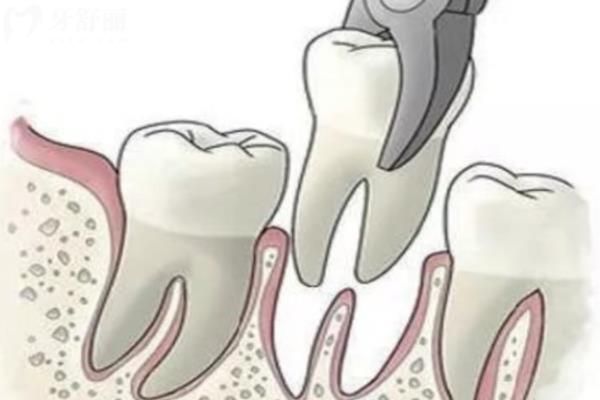
- Extraction: If the tooth is too damaged to restore, removal may be the safest option. Your dentist can discuss replacement options such as implants, bridges, or partial dentures.
- Drainage and antibiotics: If there’s an abscess, draining the infection may be necessary. Antibiotics can support healing, but they don’t cure the dead tooth; definitive treatment like a root canal or extraction is still needed.
How tre
ating early saves money
Waiting rarely saves money. Here’s why early action pays off:
- Prevents progression: A small cavity or minor crack caught early can be fixed before it reaches the pulp. Once the pulp dies, treatment becomes more complex.
- Avoids emergencies: Nighttime pain and sudden swelling often mean a rushed visit and more extensive procedures. Planned care usually costs less than emergency care.
- Preserves the tooth: Saving a tooth with a timely root canal can be more cost-effective than removing it and later replacing it.
- Reduces complications: Advanced infections may require additional appointments, imaging, and medications—all adding to the bill.
Smart habits to prevent necrosis and cut costs
- Brush and floss consistently: Brush twice a day with fluoride toothpaste and floss daily to stop decay before it starts.
- Use a fluoride rinse or varnish: Fluoride strengthens enamel and helps prevent deep cavities that can reach the pulp.
- Prioritize regular checkups: Professional cleanings and exams catch early decay, cracks, and gum problems. Tiny issues found early are cheaper to fix.
- Address grinding: If you clench or grind, ask about a night guard to prevent cracks and wear.
- Eat tooth-smart: Limit frequent sugary snacks and acidic drinks. Rinse with water after coffee, soda, or citrus.
- Protect teeth during sports: Wear a properly fitted mouthguard to prevent trauma.
- Plan ahead: If you’re concerned about costs, discuss a treatment plan, staging options, and payment arrangements with your dentist. Consider preventive visits as an investment that avoids larger bills down the road.
- Seek appropriate care settings: Community clinics, dental schools, or preventive hygiene appointments can be a budget-friendly way to stay ahead of problems.
What not to do
- Don’t delay because pain fades: When a tooth’s nerve dies, pain can temporarily stop—but infection can still grow silently. Lack of pain is not a sign that everything’s fine.
- Don’t rely on home remedies: Clove oil, herbal rinses, or internet hacks won’t remove infected pulp. They may mask symptoms and allow the problem to worsen.
- Don’t place aspirin on gums: This can burn tissue and doesn’t target the infection.
- Don’t self-adjust your bite: Filing or reshaping your tooth at home is dangerous and can cause irreversible damage.
Safe home care while you wait for your appointment
If you’re waiting to see a dentist:
- Use over-the-counter pain relievers as directed on the label.
- Apply a cold compress on the outside of your cheek for swelling.
- Rinse gently with warm saltwater to help with soreness.
- Avoid biting down on the affected side and skip very hot or cold foods.
- Keep your head slightly elevated when resting to reduce pressure.
The bottom line
Tooth necrosis is a serious condition, but it’s manageable when you act quickly. Know the signs, schedule a dental visit promptly, and follow through with treatment. Early intervention not only protects your health but also avoids the cascading costs that come with dental emergencies and extensive procedures. Stay proactive with daily care and regular checkups, and you’ll give yourself the best chance to save your smile—and your budget.
















