









Root Canal Gum: Dont Ignore These Warning Signs 2026
If your gums have been feeling sore, puffy, or a little “off,” it might be more than just a brushing mishap. Many people search for “root canal gum” because gum symptoms often show up when a tooth’s nerve (pulp) is infected. In 2026, with modern dental tools and gentle techniques, catching these warning signs early can save your tooth, protect your health, and spare you from bigger problems later.
Why gums matter in root canal problems
The pulp inside your tooth can become inflamed or infected from deep decay, a crack, a past injury, or repeated dental work. When that infection tries to escape, it often tracks through the root and into the surrounding gum, creating swelling or even a small bump. So while the problem starts inside the tooth, your gums can be the messenger. Paying attention to what they’re telling you is crucial.
Warning signs you shouldn’t ignore
Not every twinge means you need a root canal, but certain patterns are red flags. If one or more of the following sounds familiar, it’s time to call a dentist or endodontist:
- Persistent toothache: A deep, throbbing pain that may wake you at night or flare without obvious cause.
- Swollen or tender gums near one tooth: Especially if the swelling seems to come and go.
- A pimple-like bump on the gum: Sometimes called a fistula; it may release pus and leave a bad taste.
- Sensitivity that lingers: Hot or cold bothers a specific tooth for 30 seconds or more.
- Pain when biting or chewing: The tooth may feel “taller” or sore to pressure.
- Tooth discoloration: A single tooth turning gray or darker than its neighbors.
- Bad breath or a bad taste: That doesn’t go away with brushing or mouthwash.
- Jaw or facial swelling: Along with tender lymph nodes under your jaw or in your neck.
- Loose-feeling tooth: Or a sensation that your bite is suddenly misaligned.
- Fever, fatigue, or general malaise: Signals the infection may be spreading.
Gum disease or root canal issue? Here’s the difference
Gingivitis and periodontitis (gum disease) also cause gum tenderness and bleeding, but they usually affect multiple teeth and are tied to plaque buildup. Root canal infections often focus on one tooth and produce deep, throbbing pain, swelling, or a gum bump over that specific area. The two can overlap, and only a professional exam can tell them apart. Dentists use thermal tests, gentle tapping (percussion), bite assessments, and digital X-rays—often 3D imaging—to pinpoint the problem quickly.
What to do now (and what to avoid)
- Call your dentist promptly. Describe your symptoms and ask for an urgent evaluation if you have swelling, a gum bump, or severe pain.
- Manage discomfort with over-the-counter pain relievers as directed, and apply a cold compress to reduce swelling.
- Keep the area clean. Brush gently, floss around the tooth if tolerable, and rinse with a mild saltwater solution.
- Do not place aspirin on your gums. It can burn the tissue and doesn’t fix the infection.
- Seek emergency care immediately if you have facial swelling spreading around your eye or throat, difficulty swallowing or breathi
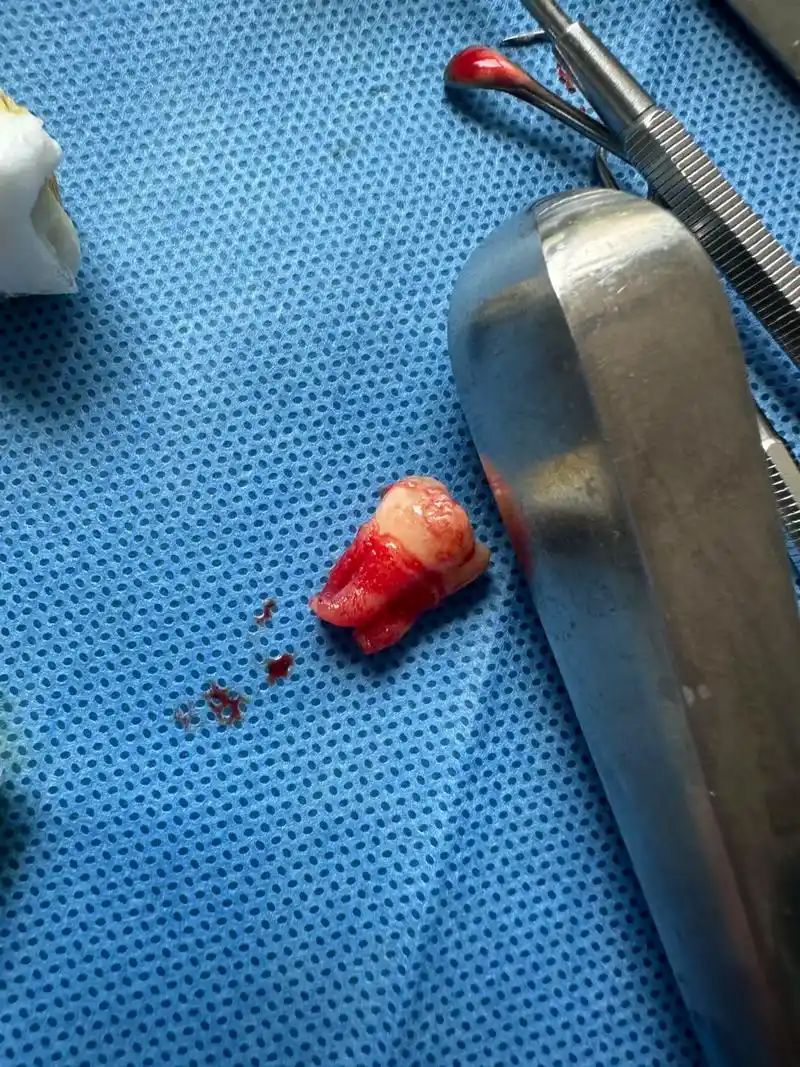
ng, or a fever with worsening pain.
What a root canal is like in 2026
The phrase “root canal” used to make people nervous. Today, it’s typically as routine and comfortable as getting a filling, thanks to:
- Precise diagnosis: 3D imaging and digital sensors show the exact shape of your tooth roots and where infection sits.
- Gentle anesthesia: Numbing is fast and effective; many patients report they felt only pressure.
- Modern instrumentation: Flexible files, ultrasonic activation, and advanced irrigation solutions clean the canals thoroughly with minimal removal of tooth structure.
- Bioceramic sealers: These biocompatible materials help create a tight seal to keep bacteria out.
- Laser and ozone adjuncts: Some clinics use them to enhance disinfection in complex cases.
Most treatments take one or two visits, depending on the tooth and severity. After the canals are cleaned and sealed, your dentist will often recommend a crown to protect the tooth, especially for molars that handle heavy chewing.
Aftercare and recovery
It’s normal to feel tender for a few days as the surrounding tissues calm down. Chew on the other side, avoid very hard or sticky foods, and follow your dentist’s instructions. If a temporary filling or crown is placed, keep your follow-up appointment to finalize the restoration. Call your dentist if pain escalates, swelling returns, or a gum bump reappears.
Prevention: keep problems from reaching the pulp
- Brush twice daily with a fluoride toothpaste and clean between teeth with floss or interdental brushes.
- Address small cavities early; waiting allows decay to reach the nerve.
- Wear a mouthguard for sports and consider a nightguard if you grind your teeth.
- Keep six-month checkups (or as advised) so your dentist can catch cracks, loose fillings, or early gum disease.
- Limit frequent snacking and sugary drinks; teeth need time to re-harden between acid attacks.
Common myths, real facts
- “Root canals are painful.” Reality: The pain you feel is from the infection. Treatment relieves it, and modern anesthesia keeps you comfortable.
- “It’s better to pull a bad tooth.” Saving your natural tooth maintains your bite, helps preserve jawbone, and often avoids more complex work later.
- “If the gum stops hurting, I’m fine.” Symptoms can ebb, but the infection can persist silently. Lingering signs like a gum bump or tooth discoloration mean you still need care.
Why timing matters
An untreated pulp infection can spread to the jawbone and surrounding tissues, erode bone support, and jeopardize adjacent teeth. In rare cases, severe dental infections can affect overall health. Early evaluation lets your dentist stop the infection, preserve your tooth, and restore comfort—often with a simpler, quicker procedure.
Bottom line
Your gums can be the first to raise the alarm on a brewing root canal problem. If you notice lingering sensitivity, a gum pimple, one-sided swelling, or pain when biting, don’t wait it out. In 2026, root canal therapy is more precise, predictable, and patient-friendly than ever. Listening to those gum warnings and acting now can save your tooth—and your peace of mind.
















