









What is a dental cleaning? – Everything You Need to Know
If you’ve ever wondered whether dental cleanings are truly necessary or just a routine suggestion, you’re not alone. A dental cleaning, sometimes called a teeth cleaning or prophylaxis, is a professional procedure designed to remove plaque and tartar (hardened plaque) that regular brushing and flossing can’t reach. It’s one of the simplest, most effective ways to prevent cavities, gum disease, and bad breath, while keeping your smile bright and your overall health on track.
What exactly happens during a dental cleaning?
A professional cleaning is more than a quick polish. It’s a systematic, hygienic reset for your mouth. Here’s what typically happens:
- Health review and examination: Your dentist or dental hygienist will ask about your health history, medications, and any concerns like sensitivity or bleeding gums. They’ll check your teeth and gums and may recommend X-rays if needed.
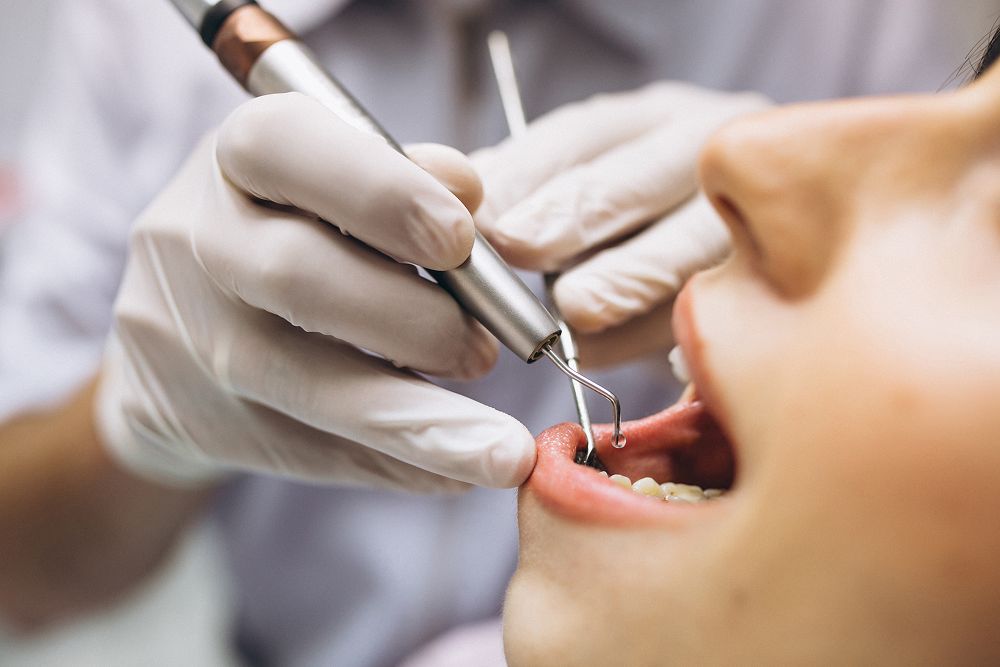
- Plaque and tartar removal: Using specialized instruments, the clinician removes buildup around and between teeth and along the gumline. Ultrasonic tools may be used to gently disrupt and flush away deposits. This step, called scaling, targets hardened tartar that you cannot remove at home.
- Gum assessment: Measuring the depth of the spaces (pockets) between your teeth and gums helps detect early signs of gum disease.
- Polishing: A gentle, gritty paste polishes your teeth to smooth the surface and remove minor surface stains.
- Flossing and rinse: Professional flossing helps remove any residual debris; a rinse clears away particles.
- Fluoride or protective treatments: Depending on your risk of cavities, your dentist may recommend fluoride varnish or other topical treatments.
- Personalized advice: You’ll get guidance on brushing technique, flossing tools, and areas to pay extra attention to.
Types of dental cleanings: routine vs deep cleaning
Not all cleanings are the same. A routine cleaning (prophylaxis) focuses on keeping healthy gums and teeth free of buildup. It’s ideal for patients without significant bone loss or active gum disease.
A deep cleaning, known as scaling and root planing, is a therapeutic treatment used when there’s gum disease (periodontitis). It involves cleaning below the gumline to remove bacteria and smooth the root surfaces, making it harder for plaque to reattach. You might need it if you have:
- Persistent bad breath or a bad taste
- Gums that bleed easily or pull away from teeth
- Loose teeth or bone loss detected on X-rays
- Deep gum pockets measured during an exam
If you’re unsure which you need, a dentist can diagnose with a clinical exam and gum measurements.
Why dental cleanings matter
Plaque is a sticky film of bacteria that forms on teeth every day. Left alone, it hardens into tartar, which irritates gums and harbors more bacteria. Over time, this can lead to cavities, gum inflammation (gingivitis), and eventually periodontitis—where bone supporting your teeth is lost. Regular cleanings help:
- Prevent gum disease and stop early inflammation before it escalates
- Reduce the risk of cavities by removing plaque in hard-to-reach areas
- Freshen breath by clearing odor-causing bacteria
- Brighten your smile by reducing surface stains
- Support overall health, as gum disease has been associated with conditions like diabetes and cardiovascular is
sues
How often should you get a dental cleaning?
Many people do well with cleanings every six months, but that’s a general guideline. Your ideal schedule depends on your oral habits, gum health, and risk factors like smoking, dry mouth, orthodontic appliances, or a history of gum disease. Some patients benefit from visits every three to four months, especially if they’ve had periodontitis in the past.
Does a dental cleaning hurt?
Most routine cleanings are comfortable. You might feel light scraping, vibration, or pressure, and some people experience temporary sensitivity afterward. If your gums are inflamed or you have heavy tartar, you may feel more discomfort. Tell your clinician—topical numbing gels or local anesthesia can help. For deep cleanings, numbing is typically used to ensure comfort.
Can’t I just brush more at home?
Home care is essential, but it can’t replace professional cleanings. Once plaque hardens into tartar, no toothbrush can remove it. Professional tools and techniques are needed to safely clear it without damaging enamel or gums. Think of cleanings as a team effort: you handle daily maintenance, and your dental team takes care of what you can’t reach.
How to prepare and what to expect afterward
- Brush and floss as usual before your appointment; it helps the clinician focus on the tough spots.
- Share your medical history and any symptoms like bleeding gums or sensitivity.
- If you’re anxious, let your provider know—simple adjustments can make a big difference.
Afterward, your teeth may feel smoother and cleaner. Some people notice mild gum tenderness or sensitivity, especially if there was significant buildup. This typically fades within a day or two. You can:
- Rinse with warm salt water to soothe gums
- Use a desensitizing toothpaste if needed
- Avoid very hot, cold, or acidic foods temporarily if sensitivity occurs
Common myths about dental cleanings
- “Cleanings damage enamel.” False. When performed by professionals, scaling and polishing remove deposits without eroding healthy enamel.
- “If my gums bleed, I should stop flossing.” The opposite is true. Bleeding can be a sign of inflammation; gentle daily flossing and a professional cleaning help reduce it.
- “I don’t have cavities, so I don’t need cleanings.” Gum health is just as important. You can have healthy teeth and still develop gum disease without regular maintenance.
Tips for better results between cleanings
- Brush twice daily with a fluoride toothpaste for two minutes
- Floss once a day or use interdental brushes or a water flosser
- Limit frequent snacking and sugary drinks
- Stay hydrated to support saliva flow
- Replace your toothbrush or brush head every three months or after illness
- Consider an antimicrobial mouthrinse if recommended by your dentist
Choosing a dental provider
Look for a dental team that takes time to explain findings, measures gum health, and provides tailored advice. Consistency matters—regular visits with a trusted provider help track changes over time and catch issues early.
Bottom line
A dental cleaning is a straightforward, preventive step with big payoffs. It keeps your teeth and gums healthy, boosts your confidence, and supports your overall well-being. Paired with good daily habits, routine cleanings can help you avoid more complex treatments and enjoy a cleaner, brighter smile year-round.
















