









Swollen Gums Root: Causes, Risks & What to Expect 2026
If you’ve noticed a tender bump or swelling in the gum near the root of a tooth, you’re not alone. Swollen gums at the root can range from a mild nuisance to a sign of a deeper infection. Understanding what’s behind that puffiness, how serious it might be, and what modern care looks like in 2026 can help you act quickly and confidently.
What does “swollen gums at the root” mean?
“Root” swelling usually refers to a localized area where the gum looks raised or puffy near the base of a tooth. It can feel sore to the touch, appear red or shiny, and sometimes produce a small pimple-like spot that may drain. The cause may be gum-related (gingival or periodontal issues) or tooth-related (problems inside the tooth reaching the root tip). Pinpointing the source is key to the right treatment.
Common causes of swollen gums at the root
- Plaque and gingivitis: Plaque buildup irritates the gums, leading to redness, swelling, and bleeding. If plaque hardens into tartar, irritation worsens.
- Periodontitis: Untreated gingivitis can progress to deeper gum disease, creating pockets around teeth where bacteria flourish. Swelling can form when these pockets become inflamed or infected.
- Gum abscess: A localized collection of pus in the gum tissue, often from a trapped piece of food, a foreign object, or a deep periodontal pocket.
- Tooth abscess (periapical abscess): Decay, a deep cavity, or a cracked tooth allows bacteria to reach the pulp. Infection can travel down the root, causing swelling in the gum above the root tip.
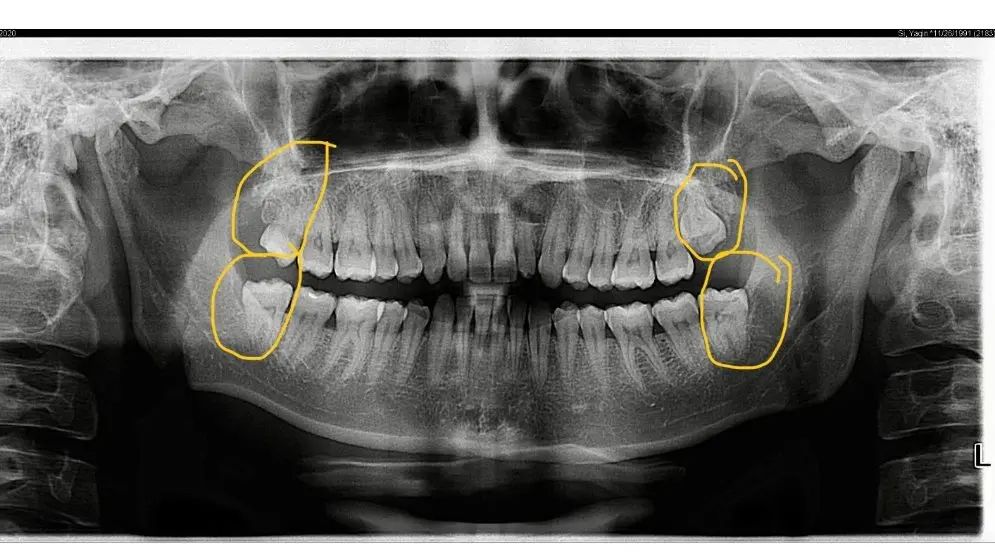
- Impacted or erupting wisdom teeth: Partially erupted teeth can trap bacteria under a flap of gum tissue, leading to inflammation and swelling.
- Dental work or orthodontic irritation: Overhanging fillings, ill-fitting crowns, or braces wires can irritate gum tissue and cause localized swelling.
- Trauma: Aggressive brushing, a sharp chip, or a seed lodged under the gum can trigger swelling.
- Hormonal and systemic factors: Pregnancy hormones, diabetes, dry mouth, smoking, and certain medications (such as some blood pressure medicines) can increase the risk of gum inflammation and overgrowth.
Symptoms that deserve attention
- Persistent or throbbing pain, especially with chewing or biting
- A pimple-like bump on the gum that may ooze
- Tooth sensitivity to hot or cold
- Bad breath or a bad taste in the mouth
- Gum bleeding, recession, or tooth looseness
- Fever, swollen lymph nodes, or facial swelling
Risks of ignoring swelling at the gum root
A small swelling can be the tip of a larger problem. Left untreated, gum or tooth infections can lead to:
- Bone loss and loosening of teeth
- Spread of infection, potentially causing facial swelling or systemic illness
- Painful abscesses requiring urgent care
- More complex treatments later, such as root canals, extractions, or gum surgery
What to expect in 2026: diagnosis and treatment
Dental care has continued to modernize, making diagnosis faster and treatment more precise.
- Smarter diagnostics: In many clinics, AI-enhanced imaging helps dentists spot early bone loss, hidden decay, and subtle root issues on X-rays. Cone-beam CT (3D imaging) is more accessible, offering a detailed look at roots and surrounding bone when needed.
- Comprehensive gum evaluation: Expect periodontal probing to measure pocket depths, assess bleeding, and map where inflammation is active.
- Clear triage—even remotely: Teledentistry consults can help prioritize urgent cases, especially if you have swelling, pain, or fever.
Treatment depends on the cause:
- Gingivitis and mild periodontitis: Professional cleaning and scaling and root planing to remove
plaque and tartar below the gumline. In 2026, some offices use adjunctive laser therapy or antibacterial gels to support healing. You’ll get coaching on brushing, flossing, and interdental cleaning tailored to your mouth.
- Gum abscess: Drainage of the abscess, cleaning of the affected pocket, and targeted antimicrobial measures. Antibiotics are used judiciously when there are signs of systemic spread or severe infection.
- Tooth abscess: If the pulp is infected, root canal therapy removes the diseased tissue and seals the canals; this is often the definitive fix while preserving the tooth. If the tooth can’t be saved, extraction may be recommended, followed by options to restore the space.
- Irritation from dental work: Adjustment or replacement of overhanging fillings, smoothing rough edges, or modifying orthodontic components.
- Wisdom teeth issues: Cleaning and disinfecting the area, with removal considered if recurrent infections occur.
Throughout, expect a patient-centered plan that explains what’s happening at the root and why each step matters. Many practices now provide digital aftercare instructions and follow-up check-ins to monitor healing.
Practical steps you can take at home
While waiting for your dental visit, these measures can support comfort and reduce irritation:
- Keep it clean: Brush gently with a soft brush twice daily and clean between teeth with floss or an interdental brush. Be extra careful around the swollen area, but don’t avoid it.
- Rinse wisely: Warm saltwater rinses can soothe irritated gums. Some dentists may recommend a short course of antimicrobial mouthwash; follow professional guidance.
- Manage discomfort: Over-the-counter pain relievers can help; use as directed on the label and be mindful of personal health conditions.
- Cold compress: Apply a cold pack on the cheek over the swollen area for short intervals to reduce swelling.
- Avoid triggers: Skip smoking and minimize sugary or very hard foods that can aggravate the area.
- Don’t pop it: Avoid poking or trying to drain any gum bump yourself; this can worsen the infection.
Prevention for healthier gums and roots
- Daily care: Brush twice a day with fluoride toothpaste, floss or use interdental brushes daily, and consider a gentle tongue clean to reduce overall bacteria.
- Professional cleanings: See your dentist or hygienist regularly, typically every 3 to 6 months depending on your gum health.
- Tailored tools: If you have braces, implants, or bridges, ask about specific brushes, flossers, or water flossers that make cleaning easier.
- Whole-body health: Manage conditions like diabetes, prioritize sleep, and maintain a balanced diet rich in fiber, vitamins, and minerals. Hydration supports saliva, your natural defense.
- Gentle habits: Use a soft brush, avoid pressing too hard, and wear a nightguard if you grind your teeth.
- Early action: At the first sign of gum bleeding, tenderness, or swelling at a tooth root, schedule an exam. Early care is simpler and more effective.
When to seek urgent dental or medical care
- Fever, facial swelling, or swelling that spreads quickly
- Difficulty swallowing or breathing
- Severe, unrelenting pain
- A compromised immune system or recent major surgery
- Symptoms that don’t improve within 24 to 48 hours
Bottom line
Swollen gums at the root are a signal worth heeding. In many cases, it’s a manageable issue—if caught early. With the diagnostic tools and patient-focused treatments available in 2026, you can expect a clear diagnosis, a targeted plan, and guidance to prevent recurrences. Listen to the signs your gums are giving you, and partner with your dental team to keep your smile stable from root to crown.
















