









Necrosis Tooth: Dont Ignore These Warning Signs 2026
If a tooth has been aching, changing color, or giving off a stubborn bad taste, your body may be trying to tell you something important. A necrotic tooth—also called pulp necrosis or a “dead tooth”—is more common than you might think, and ignoring the early warning signs can lead to serious complications. In 2026, with better diagnostics and treatment options than ever, there’s no reason to wait and hope it goes away. Here’s what you need to know, in clear, practical terms.
What is a necrotic tooth?
Inside each tooth is a soft tissue called the pulp, which contains nerves, blood vessels, and connective tissue. When blood flow to this pulp is cut off or the tissue is severely damaged, the pulp dies. This is tooth necrosis. The tooth may still be in your mouth, but biologically, it’s no longer alive inside. A necrotic tooth can remain painless for a while, which is why people sometimes miss it until it becomes infected.
Why does tooth necrosis happen?
Several problems can cut off the pulp’s blood supply or allow bacteria to invade:
- Deep tooth decay that reaches the pulp
- A cracked or fractured tooth from injury or biting on hard objects
- Repeated dental procedures or long-standing untreated cavities
- Gum disease that allows bacteria to travel down the root
- Clenching and grinding (bruxism) that stress the tooth
- Trauma from sports, accidents, or even orthodontic movement
- Lifestyle and health factors such as smoking, poorly controlled diabetes, or dry mouth
Warning signs you shouldn’t ignore
Any of the symptoms below can signal a tooth in trouble. One sign alone doesn’t prove necrosis, but a pattern should prompt a professional evaluation.
- Persistent or spontaneous toothache that throbs or worsens at night
- Sensitivity to hot or cold that lingers after the source is removed—or, paradoxically, a sudden lack of sensitivity in a tooth that used to be sensitive
- A tooth that turns gray, brown, or black compared to its neighbors
- Swelling in the gums or face near a tooth, or a small pimple-like bump on the gum (a sinus tract)
- Bad taste or bad breath that doesn’t resolve with brushing or mouthwash
- Pain when chewing, tapping, or biting down
- A loose-feeling tooth without obvious cause
- Fever, malaise, or swollen lymph nodes when infection is present
Don’t wait for every box to be checked. Necrosis doesn’t always hurt; sometimes the first clue is just a color change or a recurring bad taste.
What happens if you ignore a necrotic tooth?
Left untreated, a necrotic tooth often becomes infected. Bacteria can spread from the dead pulp into the surrounding bone, causing an abscess. This can mean:
- Severe pain and swelling
- Bone loss around the tooth root
- Damage to nearby teeth
- Sinus problems (for upper teeth)
- A draining fistula or, rarely, systemic infection
In advanced cases, the tooth may become non-restorable and require extraction. Early intervention can often save the tooth and shorten recovery time.
How dentists diagnose tooth necrosis in 2026
Modern dentistry blends clinical experience with advanced tools. Your dentist may:
- Tap on or gently press the tooth to check for tenderness
- Perform temperature or electric pulp tests to assess nerve vitality
- Take digital X-rays to look for decay, bone changes, and abscesses
- Use limited field-of-view CBCT (3D scans) to see tiny cracks or hidden root canals
- In many practices, AI-
enhanced image analysis highlights suspicious areas, improving detection and reducing false negatives
These steps help distinguish necrosis from other causes of dental pain, like sinus inflammation or jaw joint issues.
Treatment options that work
The goal is to remove infected tissue, disinfect the canal system, and seal the space so bacteria can’t re-enter.
- Root canal therapy: The most common and conservative option. The dentist removes the dead pulp, cleans and shapes the canals, disinfects, and seals them. A crown is often recommended afterward to protect the tooth.
- Regenerative endodontics: In immature teeth (often in adolescents), newer techniques may stimulate continued root development, preserving strength and function.
- Apicoectomy: If an infection persists at the tip of the root after a root canal, a minor surgical procedure removes the infected tip and seals the root end.
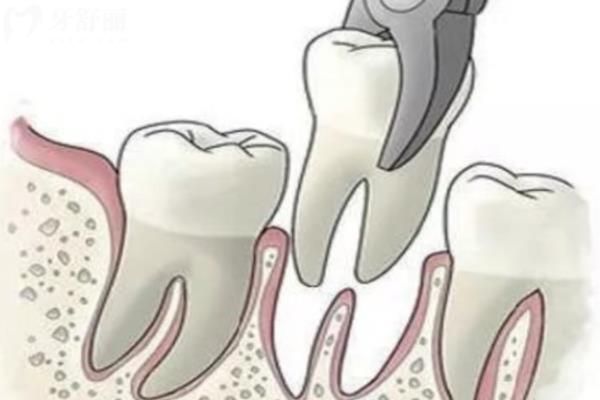
- Extraction: If the tooth is cracked below the gumline or severely decayed, it may be beyond saving. In that case, the dentist can discuss replacement options like bridges or implants.
Antibiotics are not a standalone solution for a necrotic tooth. They can help in cases of spreading infection or fever, but the source still needs to be treated with a dental procedure.
What to do now if you suspect a necrotic tooth
- Call a dentist promptly. Describe your symptoms and any recent trauma.
- Keep the area clean. Brush gently and floss around the tooth if comfortable.
- Use a cold compress on the cheek for swelling. Avoid heat; it can worsen inflammation.
- Over-the-counter pain relievers can help, but avoid placing aspirin directly on the tooth or gums.
- Do not delay because the pain eased. A tooth can feel better temporarily as the nerve dies, even while infection is brewing.
Recovery and what to expect
After a root canal or other treatment, mild soreness for a day or two is common and manageable. Avoid chewing hard foods on the treated side until your dentist places a final restoration. Follow-up visits confirm healing. With proper care, a tooth treated for necrosis can serve for many years.
Prevention: your best long-term strategy
- Brush twice daily with fluoride toothpaste and floss once a day
- See a dentist regularly for exams and professional cleanings
- Address small cavities early before they reach the pulp
- Wear a mouthguard for sports and consider a nightguard if you grind your teeth
- Choose tooth-friendly snacks and limit frequent sugary or acidic drinks
- Don’t smoke; if you do, seek support to quit
- Manage chronic conditions like diabetes to reduce infection risk
Common myths, clarified
- If the pain stops, the tooth is fine. Not necessarily. Pain can stop when the nerve dies, but infection can continue. Absence of pain isn’t proof of health.
- A root canal “kills” the tooth. The tooth is already non-vital; root canal therapy cleans and seals it so you can keep it.
- Whitening will fix a dark tooth. Surface whitening won’t reverse internal discoloration from necrosis. After proper treatment, your dentist may discuss internal bleaching or a restoration to improve appearance.
The 2026 takeaway
Today’s diagnostic tools and treatment materials make saving a necrotic tooth more predictable than ever. If you notice warning signs—pain, discoloration, swelling, gum bumps, or a bad taste—don’t ignore them. Early, decisive care can prevent complications, relieve discomfort, and help you keep your natural smile.
















