









Gum Recession Tooth: Warning Signs & What to Do Now
If your teeth suddenly look “longer,” or cold drinks make you wince, you might be dealing with gum recession. It’s more than a cosmetic concern. When the gum tissue pulls away from the tooth, it exposes the root surface, raises the risk of decay and sensitivity, and can eventually threaten tooth stability. The good news: catching the early warning signs and acting now can protect your smile and prevent bigger problems down the road.
What exactly is gum recession?
Gum recession happens when the gum line moves downward (on upper teeth) or upward (on lower teeth), exposing more of the tooth and sometimes the root. Because roots aren’t covered by protective enamel, they’re more vulnerable to sensitivity, wear, and cavities. Recession can affect one tooth or many, and it often progresses gradually.
Warning signs you shouldn’t ignore
- Teeth that look longer than they used to
- Sensitivity to cold, heat, or sweet foods, especially near the gumline
- A visible notch or groove at the gumline
- Dark spaces or “black triangles” between teeth
- Gums that bleed when brushing or flossing
- Persistent bad breath or a bad taste
- Red, puffy, or shiny gums
- Teeth that feel loose or a change in how your bite fits
Common causes of receding gums
Understanding the “why” helps you fix the “what now.” Gum recession can stem from:
- Plaque and tartar buildup: Bacteria along the gumline trigger inflammation (gingivitis) and, if untreated, periodontal disease that destroys supporting tissue.
- Brushing too hard: Scrubbing with a hard-bristled brush or abrasive paste can wear away gum tissue and the tooth’s neck.
- Genetics and thin gum tissue: Some people inherit a thinner gum biotype that recedes more easily.
- Misaligned bite or crowding: Teeth out of position can experience excessive force on certain spots.
- Teeth grinding and clenching (bruxism): Constant pressure and microtrauma strain the gums and bone.
- Tobacco use: Smoking and chewing tobacco reduce blood flow and impair healing.
- Oral piercings: Jewelry can rub and irritate the gums.
- Hormonal shifts or medical conditions: Changes during pregnancy or certain systemic conditions can influence gum health.
What to do now: practical steps you can start today
- Switch to a soft-bristled toothbrush: Hold it at a 45-degree angle to the gumline and use gentle, short strokes. Think “massage,” not “scrub.” An electric brush with a pressure sensor can help prevent over-brushing.
- Clean between teeth daily: Floss or use interdental brushes to remove plaque your toothbrush can’t reach. Be gentle and consistent.
- Choose the right toothpaste: A low-abrasion formula with fluoride protects against root cavities. For sensitivity, look for potassium nitrate and use it twice daily.
- Rinse smart: An alcohol-free, antimicrobial mouthwash can reduce bacterial load without drying your mouth.
- Pause after acids: If you’ve had citrus, soda, or wine, wait 30 minutes before brushing to avoid enamel erosion.
- Manage clenching: If you grind at night, talk to your dentist about a custom night gu
ard. Daytime awareness and stress management techniques also help.
- Ditch tobacco: Quitting supports gum healing and overall oral health.
- Book a dental exam: Early evaluation prevents progression and tailors care to your exact cause.
How your dentist can help
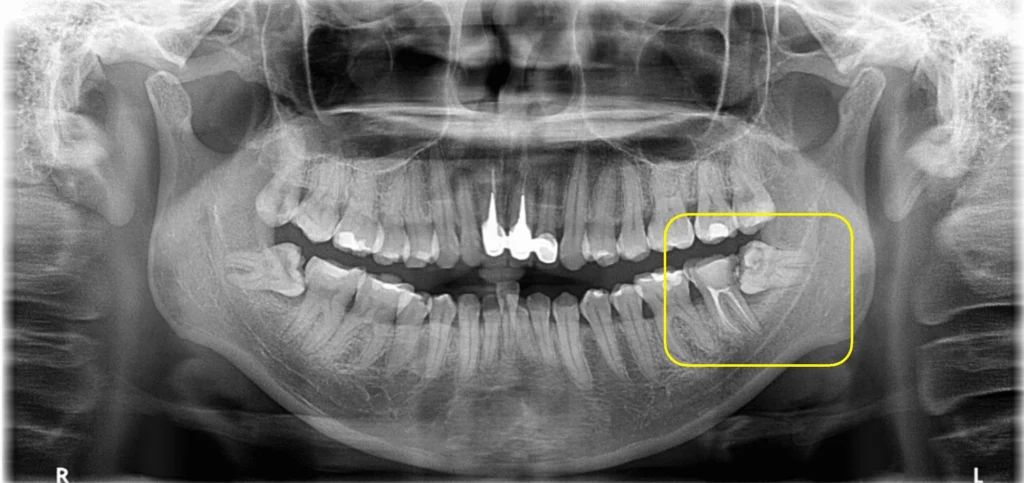
A dentist or periodontist will measure your gum pockets, assess recession depth, check for bone loss with X-rays, and identify the triggers. Depending on findings, treatment may include:
- Professional cleaning or scaling and root planing: Deep cleaning removes plaque and tartar below the gumline and smooths root surfaces to help gums reattach.
- Periodontal therapy: In some cases, local antibiotics or laser-assisted therapy may be recommended to control infection.
- Bite adjustment and splinting: Fine-tuning your bite or temporarily stabilizing mobile teeth reduces traumatic forces.
- Night guard for bruxism: Protects teeth and gums from grinding damage.
- Restorations at the gumline: Tooth-colored bonding can protect exposed roots, reduce sensitivity, and improve appearance.
- Orthodontics: Straightening misaligned teeth can correct force distribution and make hygiene easier.
- Gum grafting or minimally invasive coverage techniques: A periodontist can use tissue grafts or techniques like tunneling or pinhole procedures to cover exposed roots and strengthen thin gums.
Prevention that actually works
- Brush twice daily with a soft brush; replace it every three months or sooner if bristles fray.
- Use gentle pressure and a non-whitening, low-abrasion toothpaste if you’re prone to wear.
- Clean between teeth daily—floss, interdental brushes, or a water flosser if your gums are sensitive.
- Stay hydrated and chew sugar-free gum to stimulate saliva, your mouth’s natural defense.
- Eat a balanced diet rich in vitamin C and other nutrients that support gum health.
- Schedule regular checkups and cleanings. If you’ve had gum disease before, your dentist may recommend more frequent visits.
Myths to leave behind
- “Receding gums grow back on their own.” Gum tissue doesn’t regenerate spontaneously. Professional treatment is needed for true root coverage.
- “If I brush harder, I’ll clean better.” More pressure usually means more damage. Technique matters more than force.
- “Bleeding gums are normal.” Bleeding is a sign of inflammation. Healthy gums shouldn’t bleed when brushed or flossed gently.
When to seek prompt care
Contact your dentist soon if you notice rapidly receding gums, severe or worsening sensitivity, a loose tooth, pus or swelling, or pain that keeps you up at night. These can signal active periodontal disease or infection that needs immediate attention.
The bottom line
Gum recession is common, but it isn’t inevitable—and it’s very manageable when caught early. By recognizing the warning signs, dialing in your home care, and partnering with your dental team, you can protect your roots, calm sensitivity, and keep your smile strong for the long term. If something about your gums or tooth edges doesn’t look or feel right, don’t wait. Schedule an exam and take the first step toward healthier gums today.
















