









Dental Implants in Shenzhen: The Complete Walkthrough
Thinking about replacing a missing tooth or stabilizing a loose denture while you’re in Shenzhen? You’re in good company. This fast-growing tech hub has quietly become a strong destination for modern implant dentistry, combining digital planning, experienced clinicians, and easy city logistics. If you’re comparing options or simply want to know what the process looks like from start to finish, here’s a clear, no-nonsense guide to dental implants in Shenzhen.
Why Shenzhen makes sense for implants
Shenzhen’s healthcare ecosystem has matured quickly, and many dental clinics now offer full digital workflows: 3D CBCT imaging, intraoral scanning, guided surgery, and high-quality local or imported implant systems. The city’s international community means you can find English-speaking teams, especially in areas like Nanshan, Futian, and Shekou. Public transport is reliable, clinics are easy to reach by metro, and the border with Hong Kong makes travel flexible.
Choosing a clinic: what to look for
- Credentials and experience: Look for licensed dentists with additional training in implantology or oral surgery. Ask about case numbers similar to yours (single tooth, multiple teeth, or full-arch).
- Technology: Clinics that use CBCT scans, surgical guides, and intraoral scanners can plan more precisely and reduce surprises.
- Sterilization and protocols: Confirm their infection control standards and whether they follow recognized guidelines.
- Lab quality: The crown or bridge is only as good as the lab work. Ask where the restorations are made and what materials are used.
- Communication: If you prefer English, check that consultations, consent forms, and post-op instructions are available in English.
- Clear treatment plan: You should receive a written plan outlining stages, timelines, and what happens if additional procedures (like bone grafting) are needed.
- Aftercare and warranty: Understand follow-up schedules and how the clinic handles repairs or complications.
Your treatment options
- Single-tooth implant: Replaces one missing tooth with a titanium or zirconia implant, an abutment, and a custom crown.
- Implant bridge: Fewer implants support multiple teeth when several are missing in a row.
- Full-arch solutions: Techniques like All-on-4 or All-on-6 can restore a whole upper or lower arch with a fixed bridge.
- Immediate implant and immediate loading: In select cases, the implant can be placed right after tooth extraction, and a temporary tooth may be attached the same day. This depends on bone quality and stability.
- Bone grafting and sinus lift: If the jawbone is thin, grafts or sinus augmentation may be recommended to provide long-term support.
Step-by-step: what the journey looks like
1) Initial consultation and diagnostics
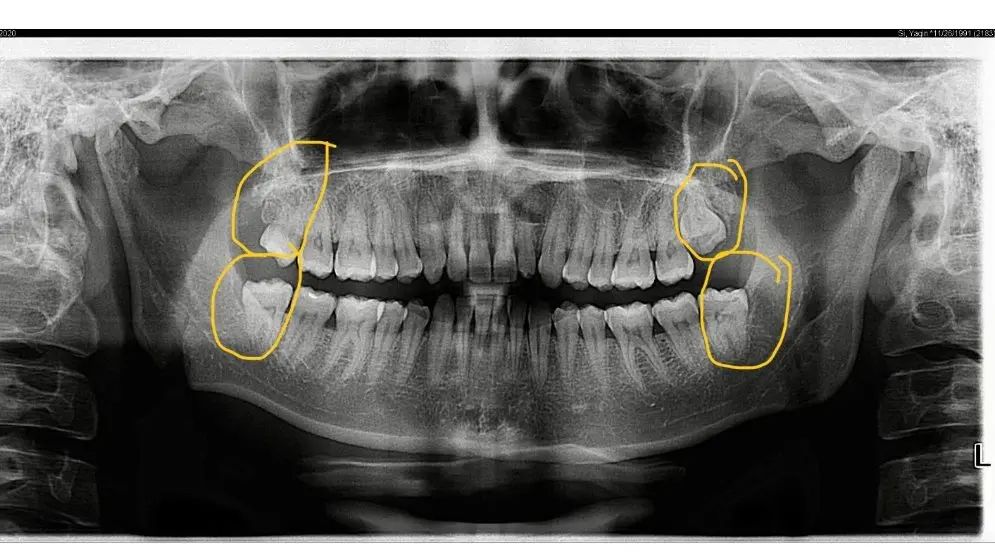
Expect a medical and dental history review, a clinical exam, and a CBCT scan to evaluate bone volume and nerve/sinus positions. You’ll discuss goals, timelines, and alternatives. For travelers, mention your trip schedule so the clinic can plan accordingly.
2) Planning and mock-up
Your dentist creates a digital plan, sometimes with a surgical guide. If aesthetics are important (front teeth), a provisional design helps you preview shape and length.
3) Surgery day
Most implant placements are done under local anesthesia with optional sedation. The procedure is typically brief for single implants and longer for multiple or full-arch cases. You leave with post-op instructions and, if indicated, a tempor
ary restoration.
4) Healing and osseointegration
Over the next weeks to a few months, the implant fuses with the bone. During this time, you’ll follow a soft diet and careful hygiene routine. If you’re traveling, plan to stay several days for initial checks, then return for the final crown once healing is complete. Some full-arch cases use a fixed temporary bridge while the implants integrate.
5) Abutment and final crown
After integration, the abutment is attached and an impression or scan is taken for the definitive crown or bridge. Shade matching and bite adjustments happen at this stage. Many clinics can finalize in a few short visits.
Comfort, recovery, and aftercare
Mild swelling or soreness is common for a few days. Cool compresses, prescribed medications, and rest help. Stick to a soft, lukewarm diet, avoid smoking, and keep the area clean with gentle brushing and antiseptic rinses as instructed. Once healed, floss daily around the implant and consider a water flosser for easy maintenance. Regular checkups (usually every six months) help monitor gum health and bite. If you grind your teeth, ask about a night guard to protect the restoration.
Who is a good candidate?
Healthy gums, good oral hygiene, and adequate bone are key. Controlled conditions like diabetes or bruxism are not automatic deal-breakers but require tailored planning. Active gum disease should be treated first. If you’ve been missing a tooth for a long time, expect a discussion about bone grafting.
Risks to understand
As with any surgery, infections, delayed healing, nerve irritation, or implant failure can occur, though careful planning helps lower risks. Peri-implantitis (inflammation around the implant) is preventable with good hygiene and routine cleanings. Your dentist will outline specific precautions based on your case.
Logistics for expats and visitors
Bring ID, a list of medications, and any previous dental records or scans. Many Shenzhen clinics in expat-friendly districts have multilingual staff; translation apps also help. Plan your travel so you’re in town for the consult, surgery, and early follow-up. If your treatment spans months, coordinate return visits for final restorations. Ask the clinic about remote check-ins between stages.
Maintenance that keeps implants thriving
- Brush twice daily with a soft brush; clean around the implant margins carefully.
- Use floss or interdental brushes designed for implants.
- Book professional cleanings and exams regularly.
- Avoid cracking hard foods with your front teeth and be mindful of tough or sticky snacks.
- Wear a night guard if you clench or grind.
Smart questions to ask your Shenzhen dentist
- Which implant systems do you use, and why?
- Will I need grafting or a sinus lift?
- Am I a candidate for immediate implant or immediate loading?
- What is the estimated timeline from surgery to final crown?
- How will you manage aesthetics in the front-tooth zone?
- What are the follow-up visits, and how are complications handled?
- Do you provide a written treatment plan and home-care instructions?
The bottom line
Dental implants in Shenzhen can be a smooth, well-organized experience when you choose a qualified team and a clear plan. With modern imaging, skilled clinicians, and convenient city access, you can restore function and confidence with a result that looks and feels natural. Take your time during the consultation, ask detailed questions, and map out the timeline that fits your life—then enjoy everything this city offers while you heal.
















