



Is it a Material Property of Dental Crowns that They Make No Sound When Eating After Receiving Implants in Northern Cities
**Is the Lack of Sound When Chewing with a Crown After Dental Implants in the North Due to Material Properties?**
In recent years, an increasing number of Hong Kong residents are opting for dental implants in the North. This trend is driven not only by the advanced medical technology available but also by the excellent reputation and comprehensive services offered. However, many people notice that after getting dental crowns, especially on their molars, the sound of chewing seems significantly muted compared to their natural teeth. This can be puzzling for some. Is this due to the material properties of the crowns, or is it a technical issue? Lets explore this phenomenon in a practical, everyday context.
**Material Properties of Crowns Affect Sound Perception**
Firstly, it’s important to understand that dental crowns come in a variety of materials. Common options for implants in the North include all-ceramic, zirconia, metal-ceramic, and pure metal crowns. The hardness and elasticity of these materials directly impact the sensation and sound of chewing.
For instance, all-ceramic crowns are very hard and have a smooth surface. As a result, the friction noise between the crown and food, or crown and crown, is much softer than with natural teeth. Zirconia crowns also offer high hardness and excellent wear resistance, which means that much of the chewing energy is absorbed by the food, resulting in less sound. Metal-ceramic crowns have certain metal components with a porcelain surface, but they too tend to produce softer sounds due to material characteristics.
**Chewing Sound and Crown Fit**
Beyond material, the fit between the crown and the dental arch also significantly influences sound. Artificial crowns are designed to match the original teeths occlusion precisely, avoiding high or low points. A smoothly aligned occlusal surface reduces the impact force on food, making the sound less pronounced. In contrast, rough natural teeth or prominent occlusion points can produce a crisp sound during eating, which changes when switched to crowns.
**Stable Implant Technology in the North**
Many who have received dental implants in the North report a lack of sound when chewing post-crown. This is often because the dentist aims for high-precision occlusion, ensuring there’s no long-term damage to the gums or opposing teeth. The seamle
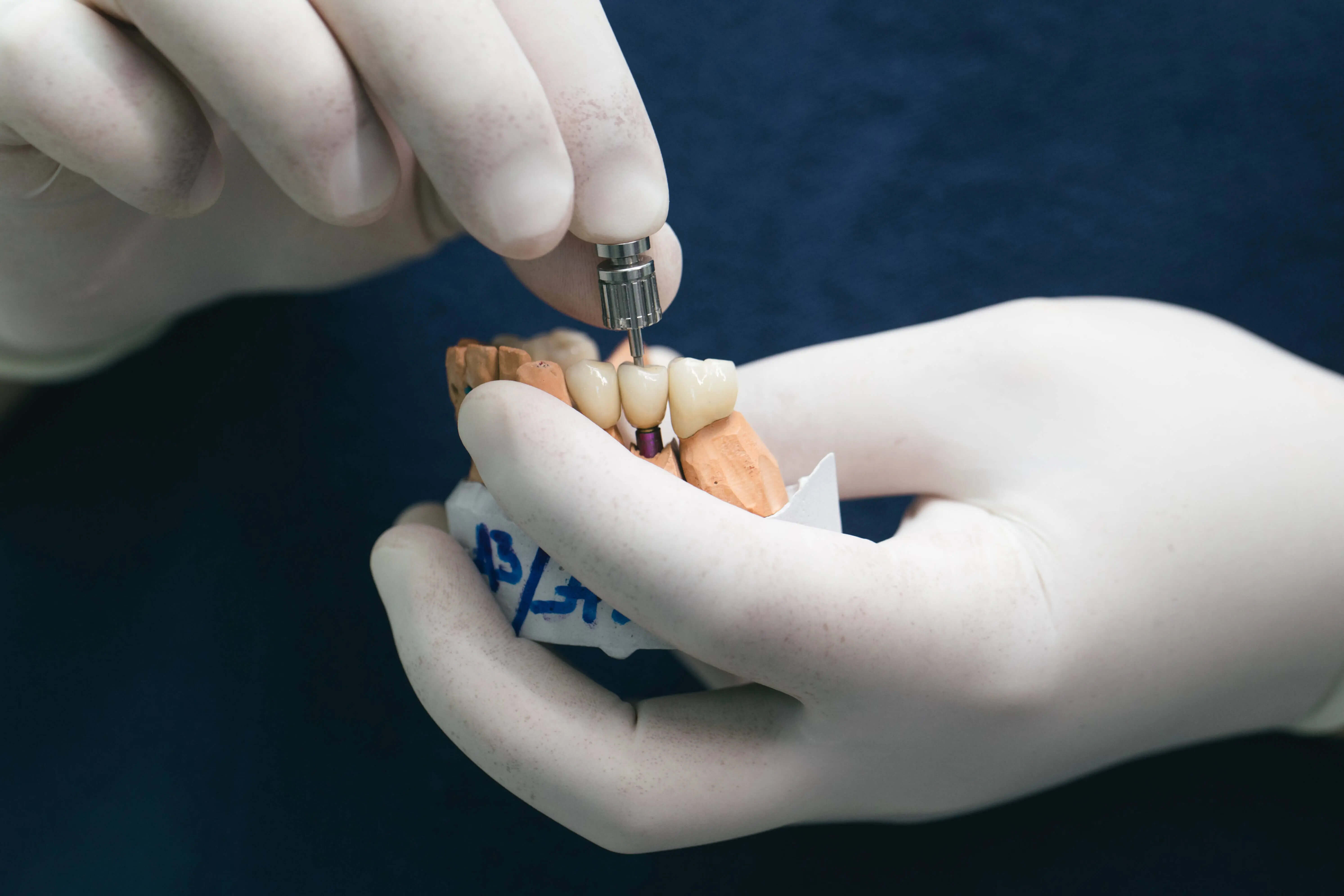
ss transition of the occlusal surface results in smooth chewing motions and subdued sounds, reflecting high technical precision rather than an issue.
**Psychological Adjustment to Chewing Experience**
The reduction in sound may require some psychological adjustment. The sound of natural teeth chewing is a familiar experience, creating an association in the brain that "sound = firm bite." The changes in material with crowns alter the vibration and sound wave transmission, leading the brain to think "no sound = not chewing properly." However, in many cases, the actual chewing efficiency remains unchanged or even improved; it’s just a matter of sensory adaptation.
**Material Choice and Personal Preference**
If you prefer a slightly audible chewing experience, discuss this with your dentist when selecting materials. Some metal crowns, due to their density and elasticity, may produce more sound than all-ceramic options. However, also consider durability, comfort, aesthetic appeal, and compatibility with your dental arch. Clinics offering implants in the North typically provide detailed explanations about material properties, allowing you to make an informed decision based on your lifestyle needs and chewing habits.
**Adaptation Period and Maintenance**
After getting crowns, not only the sound but also the bite strength, tongue sensation, and food penetration may feel different. Typically, adaptation takes a few weeks to a few months. Maintenance is crucial, as crowns, despite their hardness, should not be subjected to prolonged exposure to very hard foods like hard candies or large ice cubes to maintain their lifespan and functionality. Regular check-ups to monitor the occlusion status can help identify and adjust potential issues early on.
**Conclusion**
The lack of sound when chewing with crowns after receiving dental implants in the North is mostly due to material properties and precise occlusal surfaces. A quieter chewing experience doesn’t equate to inadequate chewing; rather, it shows a healthy and technologically competent outcome. Embrace this change with understanding and gradual adaptation, and enjoy the more stable and comfortable benefits of your new crowns. If you still have questions, consult with your dentist to learn more about the characteristics of your crowns, ensuring peace of mind with your new dental setup.