



Is it inflammation if you feel root pain while yawning after getting a dental implant in Beijing
**Is Root Pain After Yawning Following Dental Implantation in the North a Sign of Inflammation?**
In recent years, many Hong Kong residents have opted to travel north for dental implants, a choice whose reasons are well understood. However, some individuals find that upon their return, actions such as yawning, speaking loudly, or biting harder foods result in a dull ache where the dental work was done. The immediate question often is, "Is this inflammation?" While root pain can arise from various causes, not all are related to inflammation, though it remains a possibility.
Initially, root pain following dental implants might simply indicate a normal recovery response. The process requires time for the implant to fuse with the bone, during which the gums and surrounding tissues are more sensitive, leading to discomfort when slightly moved. Yawning stretches the oral muscles, putting pressure on the tissues around the root, thereby heightening the sensation of pain. In the absence of other symptoms such as redness, pus, or worsening pain, this is generally considered a typical recovery reaction.
Conversely, if root pain is accompanied by gum swelling, redness, a foul odor, or oral bleeding, then inflammation might be the cause. In some cases, inadequate oral hygiene post-implantation can lead to food debris accumulating in the gaps, encouraging bacterial growth and resulting in periodontal diseases or peri-implantitis. During the initial post-surgery period, the gums are particularly vulnerable, making them more susceptible to bacterial infections.
Additionally, root pain could stem from bite force issues. If the crowns height or shape following implantation does not align properly with the original bite, it can put undue stress on specific teeth during eating, causing periodontal fatigue or even micro-damage to the alveolar bone. This might explain why yawning could also trigger discomfort, given the intricate muscle-tooth connections.
Aside from bite alignment, the integration of the implant with the bone is crucial. Factors such as personal health or lifestyle habits—like alcohol consumption, smoking, and irregular sleep patterns—can af
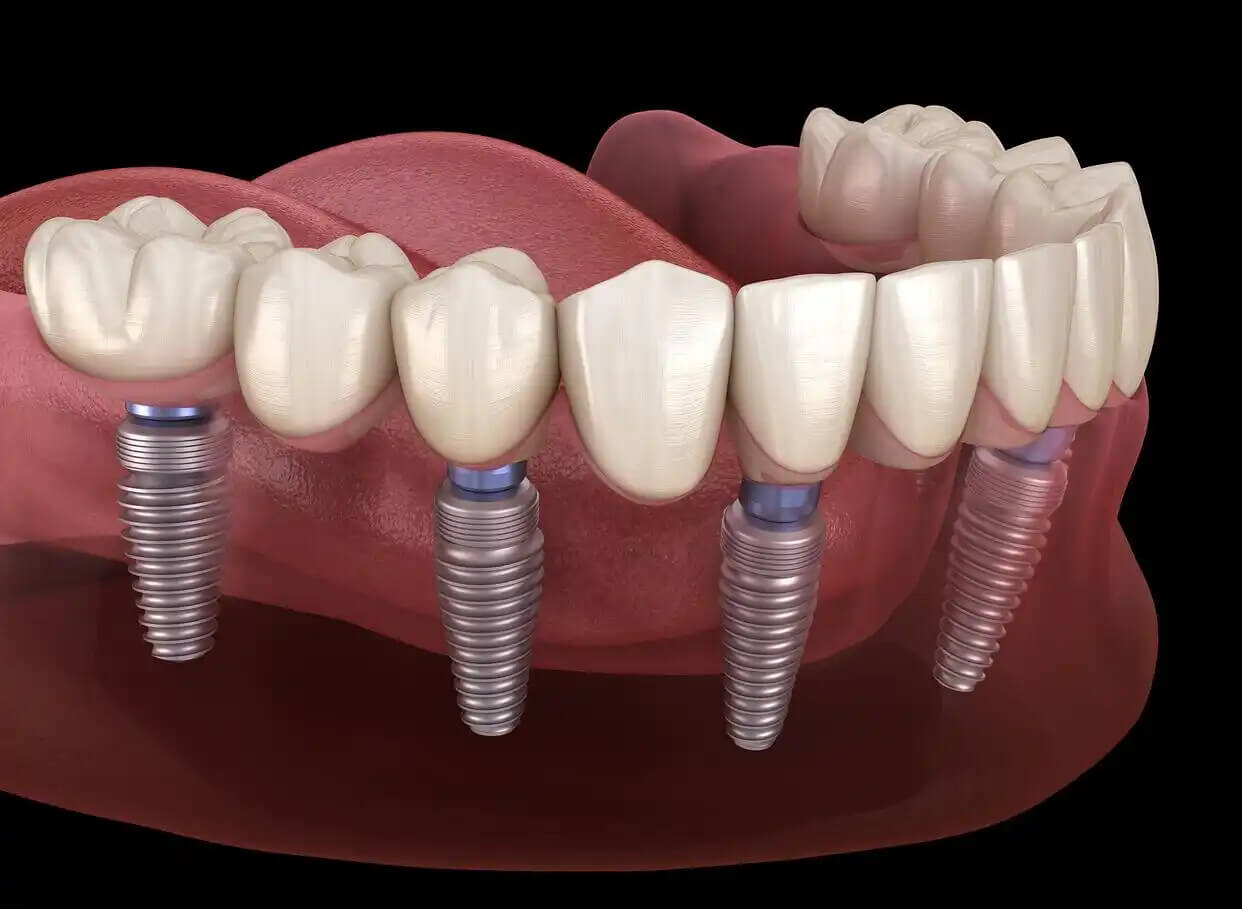
fect the speed and quality of this integration. Poor fusion can result in persistent root pain, which might interfere with daily eating and speaking.
So, how does one differentiate between normal recovery and inflammation? Typically, if pain occurs sporadically, decreases within a few days, and isnt accompanied by swelling, pus, or persistent worsening, it is likely a normal occurrence. However, if the pain persists beyond a week with symptoms like swelling and oral odor, its important to consult a dentist promptly.
To prevent root pain post-implantation, maintaining good oral hygiene is key. Gently brush with a soft toothbrush and use dental floss or water flossers to clean between teeth daily. Avoid hard or sticky foods to reduce strain on the root and periodontal tissues. Initially, soft foods are recommended to allow ample time for the implant and bone to properly integrate.
Regular follow-up appointments are also vital. Even if the implants were done outside of Hong Kong, regular check-ups with a reliable local dentist can help monitor the implants condition, allowing for early detection and management of potential issues. Absence of pain doesnt necessarily indicate everything is perfect; early-stage periodontal disease or bone resorption might occur without obvious symptoms.
Lastly, its crucial to recognize the impact of lifestyle habits on dental health. Quitting smoking, reducing alcohol intake, maintaining a balanced diet, and ensuring adequate rest are all critical for smoother recovery post-implantation. Dental health not only affects appearance but also the entire masticatory system and the bodys ability to absorb nutrients, meriting serious attention.
In conclusion, experiencing root pain after yawning post-dental implantation isnt necessarily a sign of inflammation, but it is a signal that warrants attention. Monitoring the intensity and accompanying symptoms of pain and seeking timely dental advice can prevent complications. Dental implantation isnt just a one-time procedure but a long-term maintenance journey. Proper hygiene and follow-ups can ensure the true benefits and convenience of dental implants are realized.