



Is it normal for the crown color of a dental implant to differ from the original teeth after undergoing the procedure in Beijing
**Is It Normal for Dental Crown Color to Differ from Original Teeth After Getting Implants in the Mainland?**
In recent years, many Hong Kong residents have opted for dental treatments in mainland China, including dental implants. The reasons vary, with some finding it more convenient scheduling-wise and others appreciating the technology and equipment available. However, post-implant, when dental crowns are fitted, many notice a discrepancy in color between the new crowns and their natural teeth, which can affect their confidence in their smile. Is this normal, and how should it be addressed?
**Why Do Dental Crown Colors Differ?**
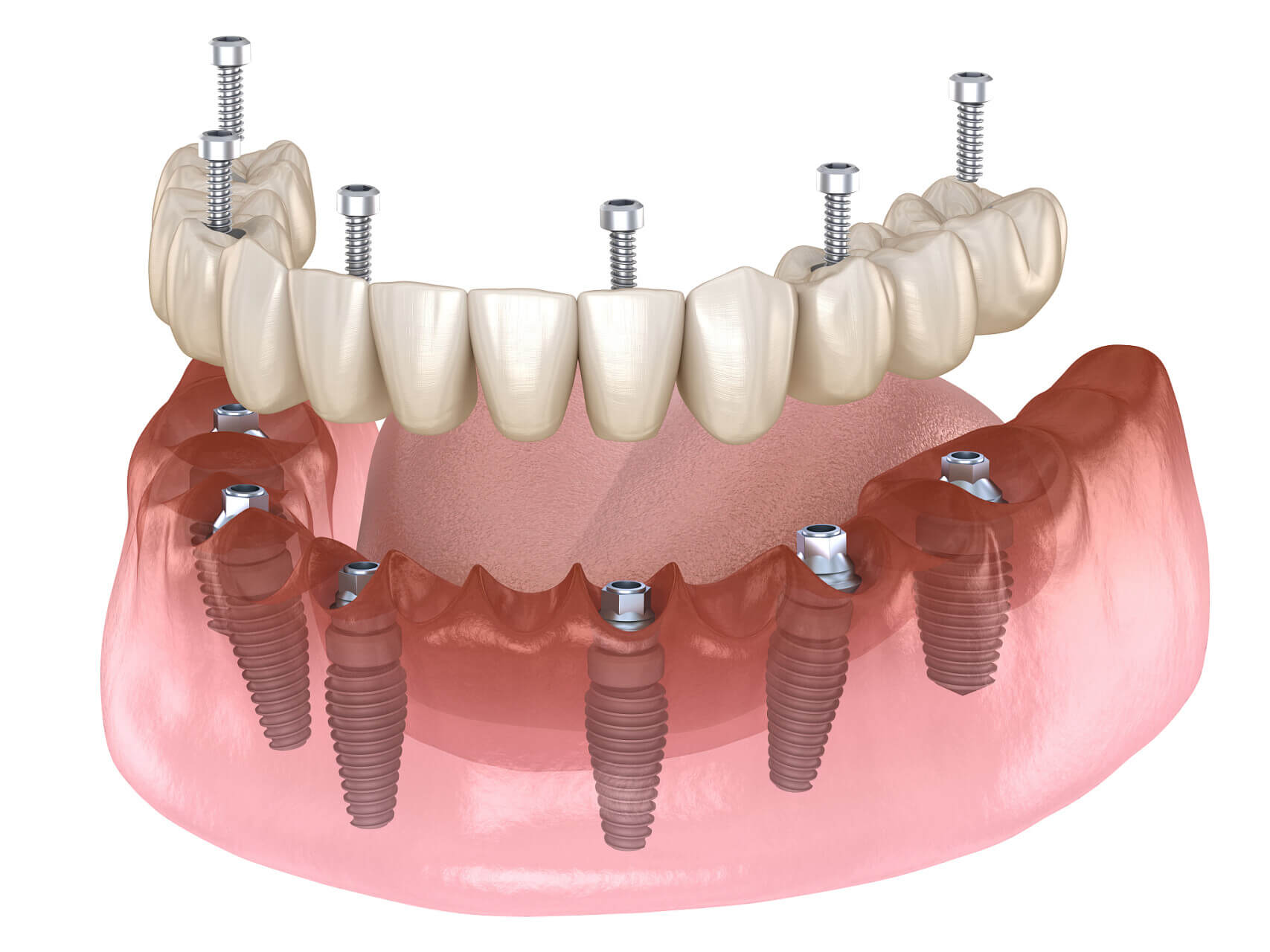
Its quite common for dental crown colors not to perfectly match natural teeth. Crowns used in implants are typically made from porcelain or other synthetic materials, which, despite color customization, inherently differ from natural tooth material. Light reflection, oral environment, and crown surface gloss can affect visual perception. Unlike natural teeth, which exhibit a layered effect from dentin and enamel, synthetic crowns might not fully replicate this natural look.
**Variations in Color Matching Process**
In mainland dental practices, a color chart is usually used initially, and technicians match colors based on this. However, color charts are merely references. The brand and color scheme of charts may vary by location, and factors like lighting, photography angle, and technician experience can lead to color discrepancies. If color matching isnt done directly in your oral environment, but rather based on photos or verbal descriptions, accuracy might decrease.
**Natural Teeth Color Changes Over Time**
Another factor is the gradual color change of natural teeth due to dietary habits. Consuming coffee, tea, or red wine can stain teeth. If crowns are matched to the color of your teeth at the time but your natural teeth darken later, discrepancies can become noticeable.
**Differentiating Between Normal and Abnormal**
Typically, if discrepancies are minor and only noticeable under certain lighting or angles, its relatively nor
mal and usually wont affect function. However, if the color difference is significant and noticeably mismatched with adjacent teeth, its advisable to consult your dentist to discuss potential adjustments or remakes.
**Minimizing Color Discrepancies**
To reduce color mismatch, provide comprehensive data to the technician beforehand. Take multi-angle photos under natural light to showcase your teeths color and texture accurately. If feasible, have on-site color matching using a color chart directly in your mouth for better accuracy. Additionally, maintaining oral hygiene and regular cleanings before completing implants keeps natural teeth color stable for matching purposes.
**Post-Procedure Solutions**
Should you feel the color difference post-crown installation is too stark, discuss adjustment methods with your dentist. Some crown materials allow for surface treatments that can slightly alter color. Another approach is professional teeth whitening for a more consistent look with the crown, although results vary and need periodic upkeep, making dentist consultation essential.
**Adapting Psychologically and Practically**
Many people initially notice slight differences between implant crowns and natural teeth but tend to become less conscious over time. The primary goal is ensuring crowns function properly, fitting comfortably without affecting eating or speech. While aesthetics matter, practicality and durability should be balanced. For those particularly concerned, pre-treatment communication with the dentist can help align expectations with the final outcome.
In summary, a slight difference in crown color versus natural teeth post-implants in the mainland is not unusual. Factors like materials, color matching, and natural tooth changes contribute to this phenomenon. As long as these differences dont impact daily life or confidence, theyre within the normal range. If aesthetic concerns arise, discuss solutions with your dentist. Effective communication and preparation can significantly mitigate color mismatch risks, resulting in a more natural-looking smile.