



After getting dental implants in the north, is the slight loosening of the crown due to the screws not being tightened
**Is Your Dental Crown Loose After Traveling North for Implants? Heres What You Need to Know**
In recent years, many Hong Kong residents have opted to travel north for dental treatments, especially for implants, due to the increasingly advanced equipment and techniques available. However, some people experience slight looseness in their dental crowns shortly after getting implants, leading to concerns about whether the screws werent tightened properly, or if theres a problem with the implant itself. This article will delve into the potential causes of crown looseness, how to assess and address the issue, providing valuable insights for your consideration.
**Common Causes of Dental Crown Looseness**
Dental implants generally involve several stages: inserting the artificial root (the implant), allowing the bone to integrate with the root, and then placing the crown. Crowns can either be screw-retained or cemented. If your crown feels slightly loose, it might be due to:
1. **Screws Not Fully Tightened**
Many dental crowns in northern regions are screw-retained. If the screws were not tightened sufficiently during installation, the crown can loosen over time due to daily chewing. Dentists might also intentionally leave them slightly loose for easier future inspections.
2. **Wear and Tear on the Cushion or Interface Between Crown and Implant**
Some designs use a cushion to absorb stress and prevent part collision. If the cushion deteriorates or shifts, it can cause a loose sensation.
3. **Insufficient Integration between Implant and Bone**
If the bone density is inadequate or if the integration period has not been sufficient, even after the crown is placed, chewing forces may cause the implant to micromove, resulting in perceived crown looseness.
4. **Daily Usage Habits**
Regularly eating hard foods, biting into bone-containing meat, or very hard snacks can gradually loosen the screws.
**How to Determine if Its a Screw Issue**
If you notice crown looseness while eating, avoid trying to remove it yourself or testing it by biting down hard, as this might damage the implant and gums. Safely check by:
- Gently pushing the crown with your tongue to see if theres noticeable movement;
- Listening for unusual sounds, like clicking, when eating;
- Checking for gaps between t
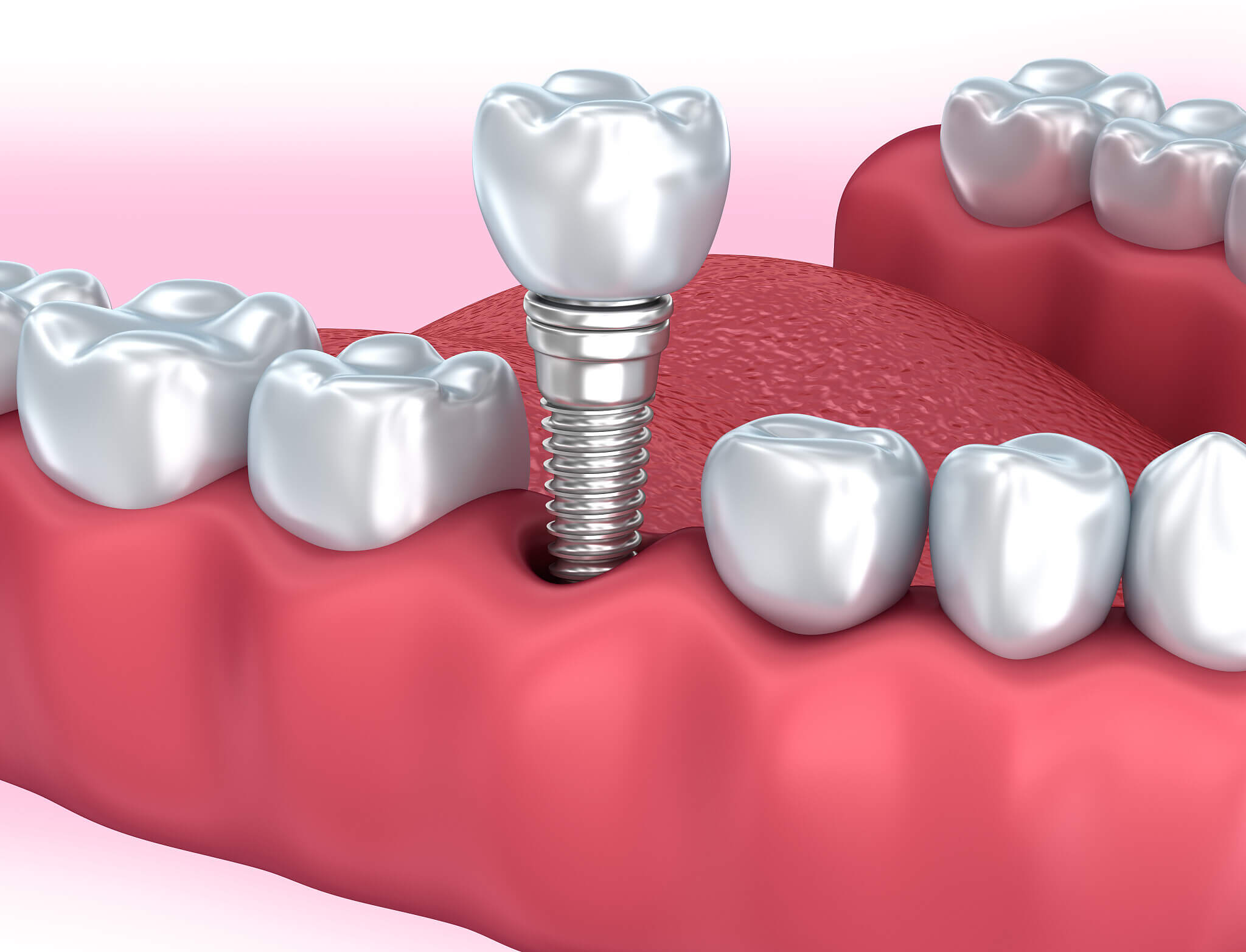
he crown and gum where food debris might accumulate;
- Observing for signs of gum redness or bleeding, as looseness can cause inflammation.
If the screws are indeed loose, the crown usually has a slight wobble without apparent implant movement. Conversely, if the implant is loose, youll feel both the root and crown shifting together, often accompanied by gum discomfort.
**Handling and Recommendations**
Upon discovering any crown looseness, consult your dentist promptly. Even if the implant was done in a northern clinic, returning to the same dentist is ideal, as they understand the specific system and structure used.
If traveling north isnt feasible, seek an experienced dentist in Hong Kong for an examination and bring previous implant records, such as X-rays and treatment plans, to assist in their assessment.
**Daily Care to Reduce Looseness Risks**
- **Avoid Hard Chewing**: Do not habitually use implants to bite hard-shelled foods;
- **Regular Check-Ups**: Ideally, have check-ups every three to six months in the first year after getting implants;
- **Maintain Oral Hygiene**: Food debris can easily accumulate at the crown-gum junction, so use dental floss and water flossers;
- **Promptly Address Issues**: Don’t delay addressing any discomfort or unusual sensations.
**Adjusting Expectations and Communication**
Many people believe that once dental crowns are in place, theyre worry-free. However, implants require the same care as natural teeth with respect to daily lifestyle influences. Slight looseness isnt necessarily serious, but timely check-ups and maintenance are crucial for longevity.
Maintain good communication with your dentist, who will usually inspect the screws first and then decide whether to retighten them, replace the cushion, or undertake other measures. If actions are correctly undertaken, the overall functionality should remain unaffected.
**Conclusion**
A slightly loose crown after traveling north for implants doesn’t necessarily indicate that the screws werent tightened. However, it shouldnt be ignored. Confirm the issue through inspection and adopt good usage habits to ensure implant stability and durability. Remember, implants arent a one-time fix; regular maintenance and attention to oral cues are the best ways to preserve your smile and chewing efficiency.