



After getting a dental implant in the North, is the gum recession causing a pit due to inflammation
**Is Gum Indentation After Dental Implant Surgery a Sign of Inflammation?**
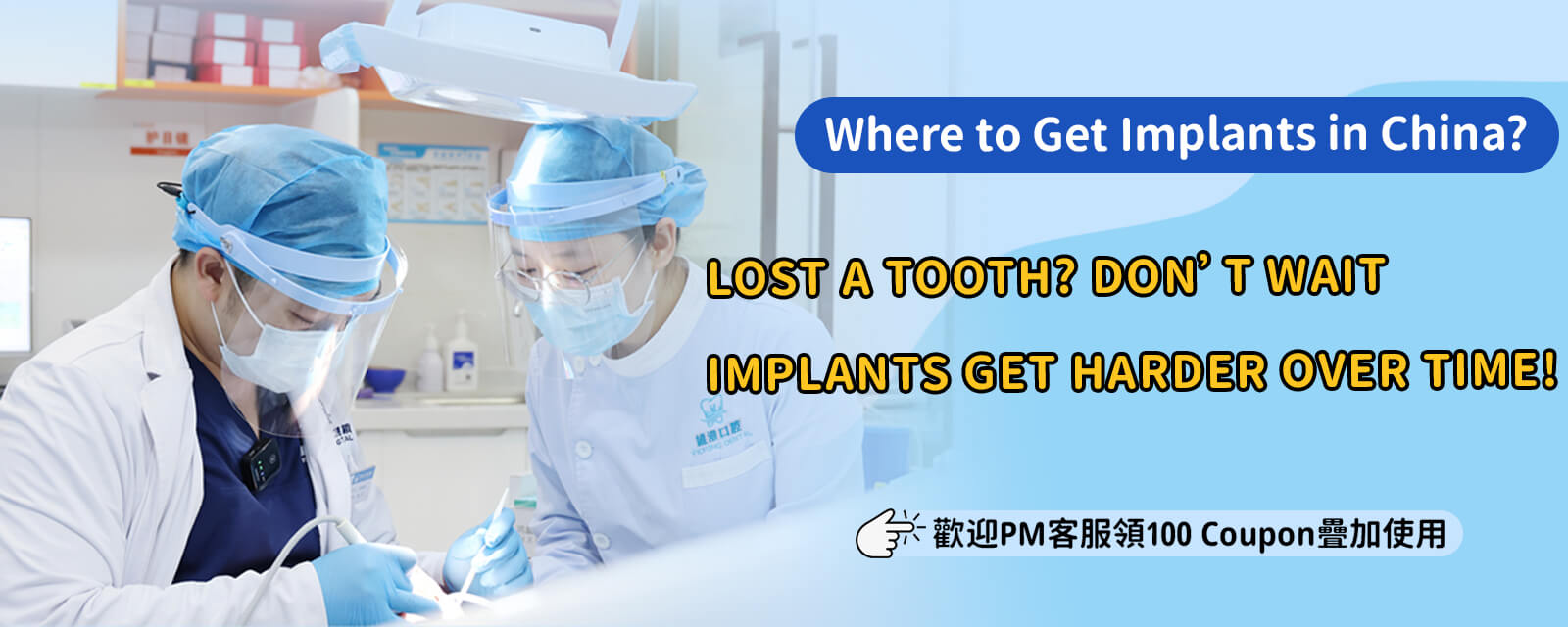
In recent years, many Hong Kong residents have opted to travel north for dental treatments, including dental implants. The reasons vary, with convenience and satisfactory service and technology often cited. However, some patients notice gum indentation and discomfort post-surgery, raising concerns about potential inflammation or incomplete procedures. So what exactly is happening, and how should it be addressed?
**How Does Gum Indentation Occur?**
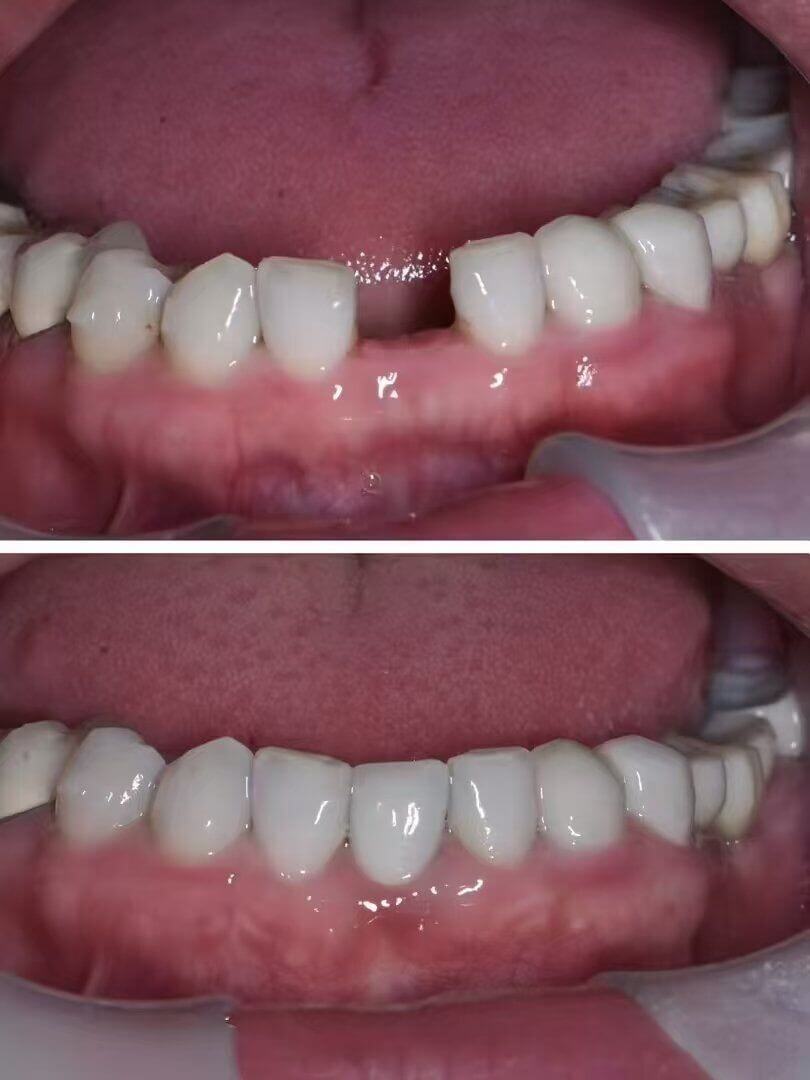
During a dental implant procedure, a dentist inserts an artificial tooth root into the jawbone, allowing time for the bone and implant to fuse. Post-surgery, minor changes in gum appearance may occur; for instance, due to temporary bone and gum density recovery or natural gum line recession, the area might appear slightly sunken. Pre-existing periodontal issues or significant bone loss from prolonged tooth absence can also alter gum contour.
**Inflammation or Normal Recovery?**
Dont immediately assume severe inflammation at the sight of gum indentation. In the initial postoperative weeks, mild redness, swelling, or changes in gum shape are part of the bodys healing process. However, if indentation is paired with persistent pain, swelling, bleeding, bad breath, or pus discharge, it might signal gingivitis or peri-implantitis, conditions that warrant serious attention.
**Importance of Post-Surgical Care**
Effective post-operative care is crucial for gum and implant health. Adhere to your dentists instructions on oral hygiene, avoiding vigorous brushing around the surgical site. Use a soft-bristle or interdental brush to gently remove food particles. Daily use of mouthwash helps keep the oral c
avity clean. Initially, opt for soft foods to avoid stressing the surgical area. Ensure ample rest for optimal recovery.
**Regular Follow-Up Appointments**
Whether you underwent surgery abroad or locally, regular follow-up is essential. Dentists will examine gum condition, implant stability, and oral hygiene, addressing issues promptly. Some patients may require gum reshaping post-surgery for improved appearance and function. Remember, absence of pain doesnt equate to absence of issues, as many dental problems start silently.
**Mind Your Lifestyle Habits**
Smoking, poor dietary habits, and prolonged stress negatively impact gum health. Smoking impairs gum blood circulation and slows recovery, increasing the risk of implant site infection. Diets high in sugar and acid promote oral bacteria growth, raising inflammation risks. Regular exercise, a balanced diet, and adequate sleep boost immunity, supporting long-term implant success.
**Address Any Anomalies Promptly**
If, upon returning to Hong Kong, gum indentation worsens or is accompanied by pain, bleeding, or swelling, dont delay in consulting a dentist. Bring along any documentation from your northern treatment, like X-rays or surgical records, to aid Hong Kong dentists in providing informed care.
In conclusion, not all gum indentations signify inflammation; they may be normal recovery variations. Self-observation isnt a substitute for professional evaluation. Proper care and regular check-ups are vital for long-term tooth and gum health. Maintaining oral cleanliness, noting warning signs, and timely dental consultations are the safest practices. Dental implants can enhance life quality, and with appropriate care, your smile will remain beautiful and healthy.