



After getting implants in the north, my teeth feel tight, like theyre being compressed or fused.
**Do Dental Implants Feel Tight After Going to Mainland China for Surgery?**
In recent years, an increasing number of Hong Kong residents have opted to travel to mainland China for dental procedures, with dental implants being one of the most popular choices. Many have shared with me that shortly after getting implants, their teeth felt "tight," akin to being squeezed between adjacent teeth. Some even report a noticeable difference in their entire oral cavity compared to before. Is this sensation normal, and does it truly indicate that the teeth are "fusing"?
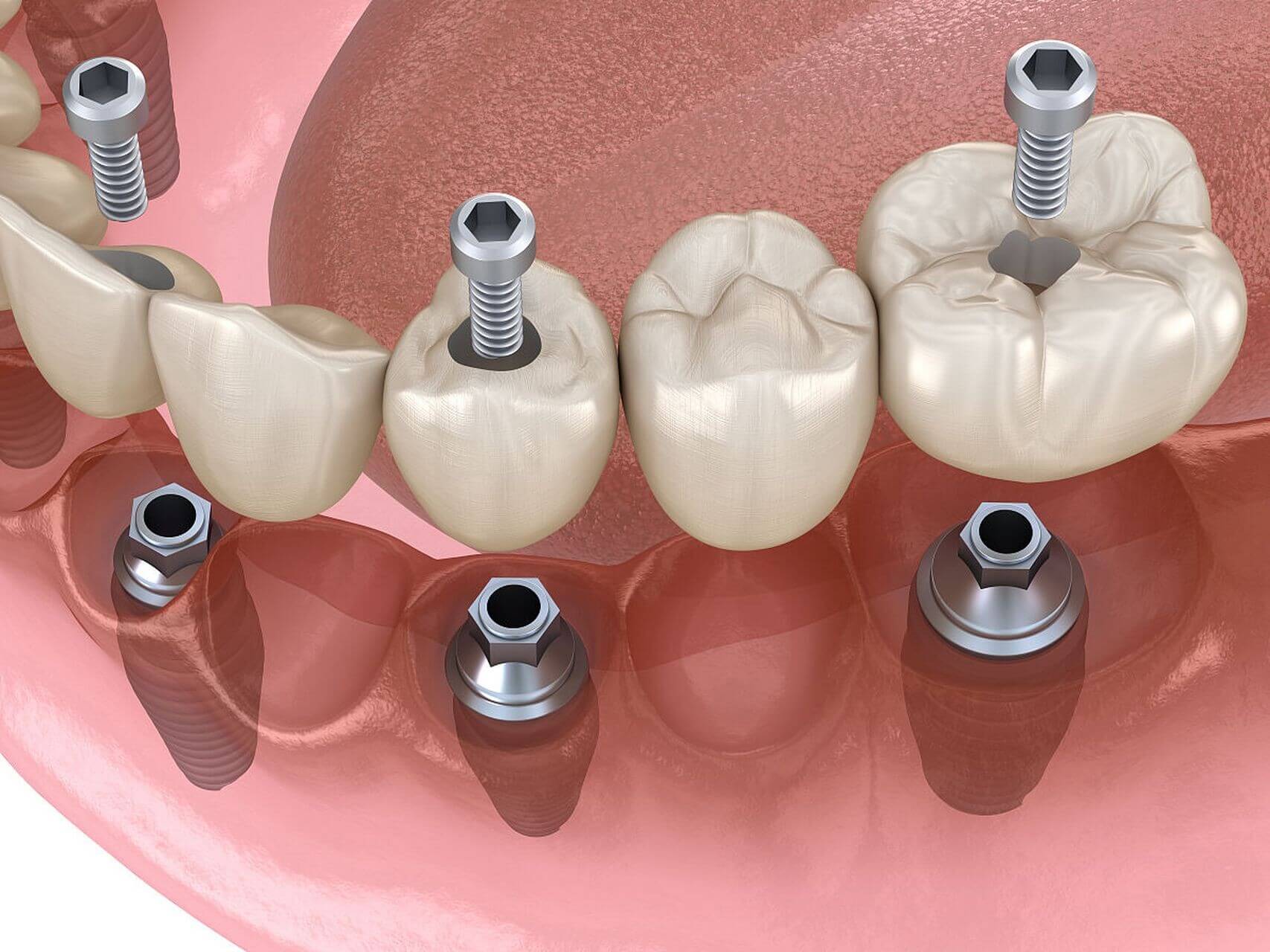
Firstly, dental implantation involves embedding an artificial tooth root into the jawbone, followed by placing a dental crown on top. After the procedure, it requires time for the implant to "fuse" with the jawbone, a process known medically as osseointegration. During this stage, the artificial root gradually integrates and stabilizes with your bone, which might make the implant feel tighter than usual or cause a different sensation while chewing. This is a natural part of the process.
Moreover, since dental implantation is a surgical procedure, your gums, jawbone, and surrounding tissues may experience some swelling and require an adjustment period. Initially, the implant may feel like its "pressing against" or "pushing on" adjacent teeth, a common sensation during recovery. Typically, as the wound heals, swelling subsides, and your mouth adapts to the new tooth, the feeling of tightness should diminish.
However, if the sensation of tightness persists, especially if accompanied by pain, abnormal bite, or swollen gums, it shouldnt be ignored. Such symptoms may indicate issues like improper bite alignment, the need for minor adjustments in tooth positioning, or oral inflammation. In such cases, its best to consult with a reliable dentist promptly to prevent more severe pr
oblems.
Many people who travel to mainland China for dental implants might delay follow-up visits to their original dentist due to travel constraints or scheduling conflicts. However, regular check-ups and follow-ups after implant surgery are crucial. Even consulting a dentist in Hong Kong for these check-ups is beneficial, as it allows early detection and management of any discomfort, ensuring long-term success of the implant.
In terms of daily care, post-implant maintenance is as crucial as caring for natural teeth. Using dental floss or a water flosser daily to clean between teeth, maintaining good oral hygiene, and avoiding overly hard foods (like hard-shelled nuts or ice) can reduce the risk of pressure or damage to the new tooth. Additionally, be mindful of your bite; if you notice any misalignment or discomfort, seek professional adjustment rather than forcing adaptation.
Psychologically, its important to remember that adapting to a dental implant takes time. Often, our tongue, jaw muscles, and nervous system need to relearn how to chew with the presence of an artificial tooth. Thus, experiencing initial tightness or odd sensations is reasonable and shouldnt be a cause for excessive worry. Nonetheless, distinguishing between the normal adaptation period and potential problems is vital, so maintain regular communication with your dentist.
In conclusion, feeling tightness in your teeth following dental implant surgery in mainland China isnt necessarily a negative sign; it may just be a normal adaptive response during recovery. However, if the sensation persists or is painful, seeking medical advice is imperative. Remember, proper care and regular check-ups are essential to ensure your new teeth truly integrate well with your oral cavity, allowing you to enjoy the confidence of a healthy and beautiful smile in the long run.