



After getting dental implants in the north, is the smoothness of the crowns due to the ceramic material
**Is the Smoothness of Crowns After Dental Implants in Mainland China Due to Ceramic Material Characteristics?**
In recent years, many Hong Kong residents have opted for dental implants in Mainland China. The convenience of transportation and diverse options are among the reasons, but a common observation post-procedure is the noticeably smooth surface of crowns, which differs from the texture of natural teeth. This smooth sensation is inherently linked to the properties of ceramic material and its production process.
**Source of Ceramic Crown Smoothness**
Dental crowns are typically used to cover the surface of implants or restored teeth, protecting them and restoring normal bite function. Ceramic is a widely used crown material due to its resemblance to natural teeth and its capacity for color adaptation to surrounding teeth. During production, ceramic crowns undergo high-temperature firing and precise polishing, achieving a highly smooth surface. This smoothness is beneficial as it minimizes food debris and plaque accumulation, simplifying daily cleaning.
**Physical Properties of Ceramic Material**
Ceramic stands out in hardness and abrasion resistance, ensuring durability with regular use. Its fine crystalline structure allows for a smooth surface post-polishing, free of noticeable pores or roughness. For the oral cavity, a smooth crown reduces friction against the tongue or foreign sensation between teeth and also resists pigment deposition.
**Popularity of Ceramic Crowns for Implants in Mainland China**
Many dental centers in Mainland China are equipped with advanced CAD/CAM technology, allowing for precise cutting and polishing of ceramic crowns. This ensures superior fit and natural appearance. Coupled with the inherent quality and texture of ceramic, the crowns produced feel
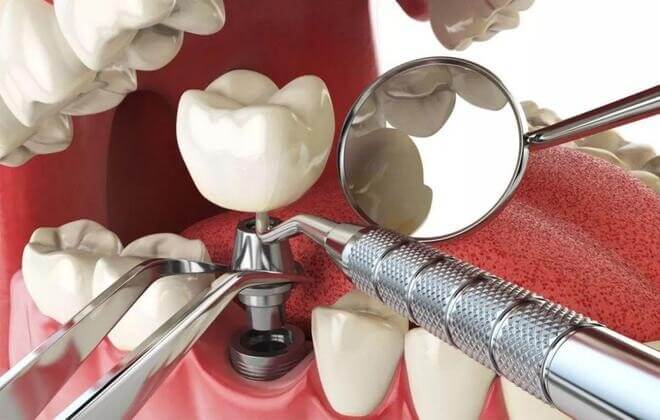
smoother and offer greater comfort in bite.
**Adaptation and Care Instructions**
While ceramic crowns are smooth, there can initially be a strange sensation as the oral cavity adapts to the new addition. Usually, adaptation occurs within days to weeks. Regardless of surface smoothness, regular cleaning is essential—maintaining both morning and evening brushing and flossing is crucial to prevent plaque accumulation near the crowns and gums, ensuring long-term aesthetic and functional benefits.
**Comparison Between Ceramic Crowns and Natural Teeth**
Natural tooth surfaces are enamel, which, despite being initially hard, can lose smoothness over time due to use and dietary habits. Ceramic crowns, being newly manufactured, present a noticeably higher degree of smoothness compared to most natural teeth. This might feel slightly unnatural initially, but it offers advantages in cleanliness, durability, and appearance.
**Considerations When Choosing Ceramic Crowns**
Despite their advantages, one must consider biting force, oral health condition, and professional recommendations. In some cases, alternatives like metal-ceramic crowns or pure metal crowns might be suggested, based on functional and durability requirements. However, for those seeking a natural, aesthetic appearance with a smooth surface feel, ceramic crowns are typically the preferred choice.
**Conclusion**
After completing dental implants in Mainland China, if you notice smooth crowns, its a result of the natural properties of ceramic material and its craftsmanship. This smoothness is not just an aesthetic boost but also aids in reducing plaque buildup, simplifying daily care. With good brushing, flossing habits, and regular dental check-ups, you can enjoy the comfort and aesthetics that ceramic crowns bring for a long time.