



After getting dental implants in the north, do your teeth seem to be growing while your gums are receding
# Are Your Teeth Appearing Longer After Dental Implants in the North? Understanding Gum Recession
In recent years, many Hong Kong residents have been opting for dental treatments, especially implants, in mainland China due to faster procedures, a wider range of options, and comprehensive check-ups completed in a single visit. However, a few months post-implantation, some individuals notice their gums receding, making the implanted teeth appear more "elevated," or they even feel slight exposure around the tooth root, leading to an unnatural appearance. What causes this condition, and how can it be managed and prevented?
## Causes of Gum Recession
Gum recession following dental implants is not uncommon. Gums are soft tissues that can be affected by medical procedures, cleaning methods, and lifestyle habits. Common causes include:
1. **Initial Surgical Trauma**
Dental implantation is a surgical procedure that involves placing artificial root posts into the jawbone. Post-surgery, gums must heal and grow to cover these posts. If the gums experience excessive pressure during recovery or poor blood circulation, it may result in reduced gum thickness.
2. **Poor Periodontal Health**
Individuals with existing gum disease may have weaker gum tissues, making them more prone to recession after dental implants. Even with artificial teeth, periodontal issues can continue to affect the gum tissue, leading to gradual recession.
3. **Improper Cleaning Techniques**
Special attention is required for cleaning after dental implants. Aggressive brushing, incorrect toothbrush hardness, or neglecting regular flossing and interdental cleaning can irritate the gums, causing them to shrink over time.
4. **Excessive Bite Pressure**
Just like natural teeth, artificial teeth endure chewing pressure. However, uneven bite points or concentrated force on a specific tooth can stress the surrounding tissue, impacting gum health.
## Recognizing Gum Recession
Gum recession doesnt happen overnight. Initially, you might simply notice your teeth appear slightly longer or detect small gaps between the crown and gums. Over time, the following symptoms might occur:
- Gum sensitivity and bleeding during brushing
- Mild disco
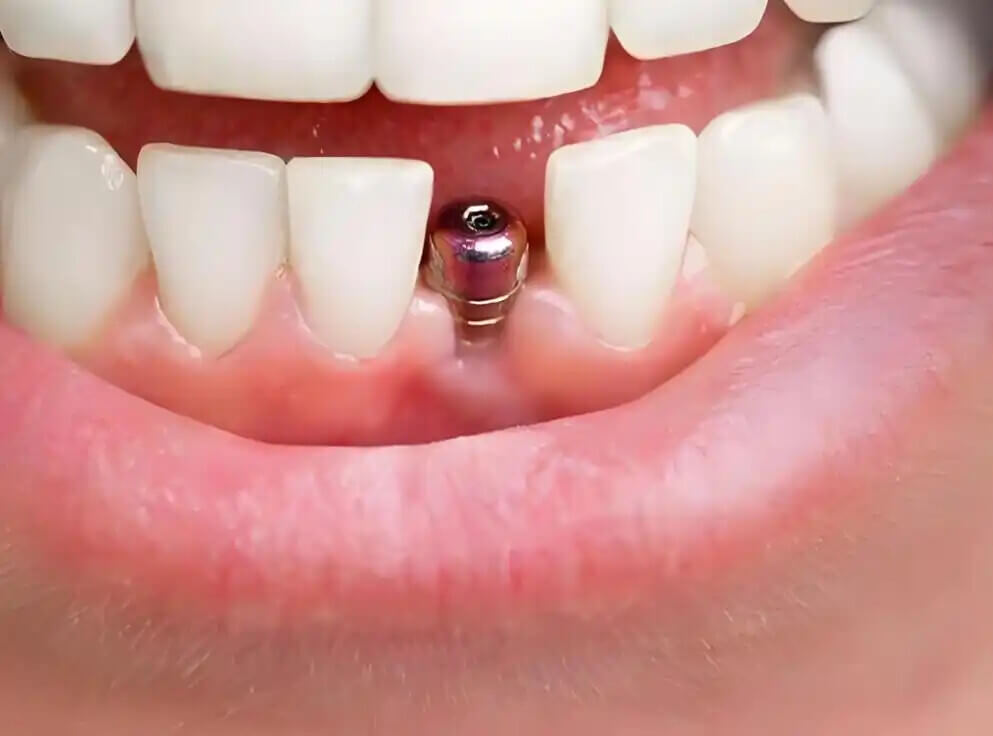
mfort when chewing
- Visible metal at the bottom of artificial teeth or crown edges
- Enlarged gaps around implanted teeth where food gets trapped easily
## Managing Gum Recession Post-Implant
Ignoring gum recession or hoping it will naturally rectify isn’t advisable, as gums cannot regenerate back to their original height on their own. Its crucial to consult a dentist familiar with your dental history to assess the extent of recession and determine appropriate treatment options:
- **Professional Dental Cleaning:** Remove tartar near the gum line and tooth roots to prevent further periodontal disease progression.
- **Gum Graft or Regeneration Therapy:** For severe recession, consider transferring healthy gum tissue to the affected area.
- **Bite Adjustment:** Ensure balanced occlusion between natural and implanted teeth to reduce concentrated pressure.
- **Improving Home Care:** Switch to a soft-bristle toothbrush combined with regular flossing and interdental brushing, and use antibacterial mouthwash daily.
## Tips for Preventing Gum Recession
To maintain healthy gums post-implant, adhere to these care routines:
1. Strictly follow your dentists post-operative instructions, avoiding hard brushes or very tough foods during the healing phase.
2. Regularly inspect periodontal health; even if pain-free, schedule check-ups every six months to a year.
3. Maintain a balanced diet with sufficient vitamin C and protein intake to support gum tissue recovery.
4. Minimize smoking and alcohol consumption, as nicotine and alcohol can impair blood circulation, making gums more susceptible to recession.
5. Pay attention to bite sensation; if one tooth seems to bear more pressure, seek prompt adjustment.
## Conclusion
Getting implants in the North is convenient and fast, but post-procedure care is equally crucial. If you notice your teeth "growing" or gums receding, be alert and consult your dentist promptly. Prolonged gum recession not only affects aesthetics but might compromise the integrity of the implant, necessitating further corrective procedures. Remember, while artificial teeth resist decay, real gums and periodontal tissue require diligent care to ensure a long-lasting healthy and beautiful smile.