



After getting dental implants up north, are you often finding that talking feels uncomfortable or the positioning of your mouth doesnt feel right
**"Why Does My Mouth Feel Awkward After Getting Dental Implants in Mainland China?"**
In recent years, many Hong Kong residents have opted to travel to Mainland China for dental treatments, such as dental implants. The appeal lies in the quick process and the reputable techniques praised online. However, some individuals return to Hong Kong only to find that their mouths feel awkward, or that their bite doesn’t feel natural. This issue isnt uncommon, but what causes it, and how can it be remedied?
**Common Reasons for Post-Implant Oral Discomfort**
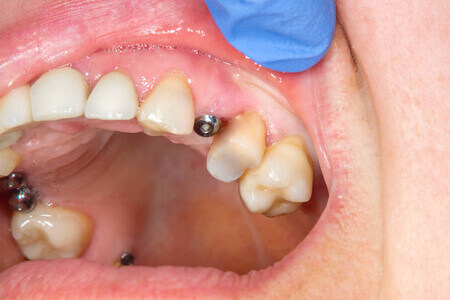
Dental implants involve inserting artificial roots into the jawbone and attaching crowns that mimic the function and appearance of natural teeth. Initially, the new structure in your mouth requires time for your tongue, gums, and chewing muscles to adapt. If the shape or height of the crowns doesnt match your original teeth perfectly, you may feel discomfort or notice an imbalance while speaking or chewing.
Moreover, different dentists may have varying methods for designing crowns. When getting implants in Mainland China, the dentist uses a mold of your teeth at that moment, which might not capture your natural bite position. Changes in gum swelling and slight shifts in bone and teeth alignment post-surgery can also contribute to the discomfort.
**Why Does Speaking Feel Especially Awkward?**
The positioning and curvature of the crown edges impact articulation and oral space. If the crown is too thick or protrudes, it can hinder tongue movements, impairing certain sounds. Changes in tooth shape can affect air flow and resonance, making it feel like there’s something "blocking" your speech.
While some people adapt within days to a couple of weeks, others may continue to feel uncomfortable for months. This largely depends on the adaptability of your oral muscles and the extent of change in tooth shape.
**Can It Be Improved?**
If you experience persistent discomfort or biting issues after surgery, its best to consult a dentist promptly. Minor adjustments, like trimming the crown edges or altering the height, can significantly enhance comfort. Dont
endure the discomfort, as prolonged bite misalignment could lead to uneven pressure on other teeth, causing wear or muscular fatigue.
Additionally, performing oral exercises can aid in adaptation. Try gently touching the crown edges with your tongue and practicing various pronunciations to establish a new "synergy" between your tongue and the crowns. Gradually increase chewing strength without applying excessive force all at once.
**Importance of Follow-Up Checkups After Returning to Hong Kong**
After undergoing implants in Mainland China, you should arrange for regular examinations with a local dentist. Even if adjustments arent necessary, it’s vital to ensure the stability of your crowns and the health of your gums. Some neglect follow-up care after their procedure, only to discover issues like gum inflammation or bone loss around the implants later on, missing the optimal window for treatment.
**Psychological and Lifestyle Adaptation**
Some may worry, “Is there a problem with my surgery?” In reality, having an adaptation period after implants is normal, especially when undergoing surgery abroad where communication, design, and postoperative care may not align with local standards. Its crucial to understand your situation early on and seek professional advice if discomfort persists.
In your daily life, pay attention to the specifics of how speaking and eating feel, such as which sounds cause more hindrance or which foods feel uneven when chewed. Noting these details can provide valuable insights for your dentist.
**Conclusion**
Getting dental implants in Mainland China is fast and convenient, but if you return to Hong Kong feeling discomfort while speaking or noticing misalignment, it doesn’t necessarily indicate a failed procedure. Often, it’s a matter of oral adaptation or needing minor crown adjustments. Regularly follow up with your dentist, communicate any issues, and engage in exercises to gradually restore natural biting and pronunciation. Dental implants are an investment in health, but they require patience and continuous care to fully enjoy the convenience and comfort they offer.