



After dental implants in Beijing, does speaking through teeth gaps indicate that the gaps are too large
**Is Speech Impairment After Dental Implants Due to Larger Tooth Gaps?**
In recent years, many Hongkongers have opted for dental implant procedures across the border, seeking more affordable and efficient treatment. However, some individuals return with complaints of speech impairment, often feeling like they have "air leakage" when speaking, and noticing seemingly larger tooth gaps. So, whats the root cause of this issue? Is it a matter of implant quality, or merely a normal response? Lets decode this using everyday language that resonates with Hongkongers.
**What Does "Air Leakage" Feel Like After Dental Implants?**
"Air leakage" refers to a sensation experienced while speaking, particularly with sounds like "f," "s," and "p." It feels as though air isnt fully controlled between the lips and teeth, resulting in a slight blowing of air. For some, this sensation can feel unnatural and may even affect their confidence in speaking.
**Why Do Tooth Gaps Seem Larger?**
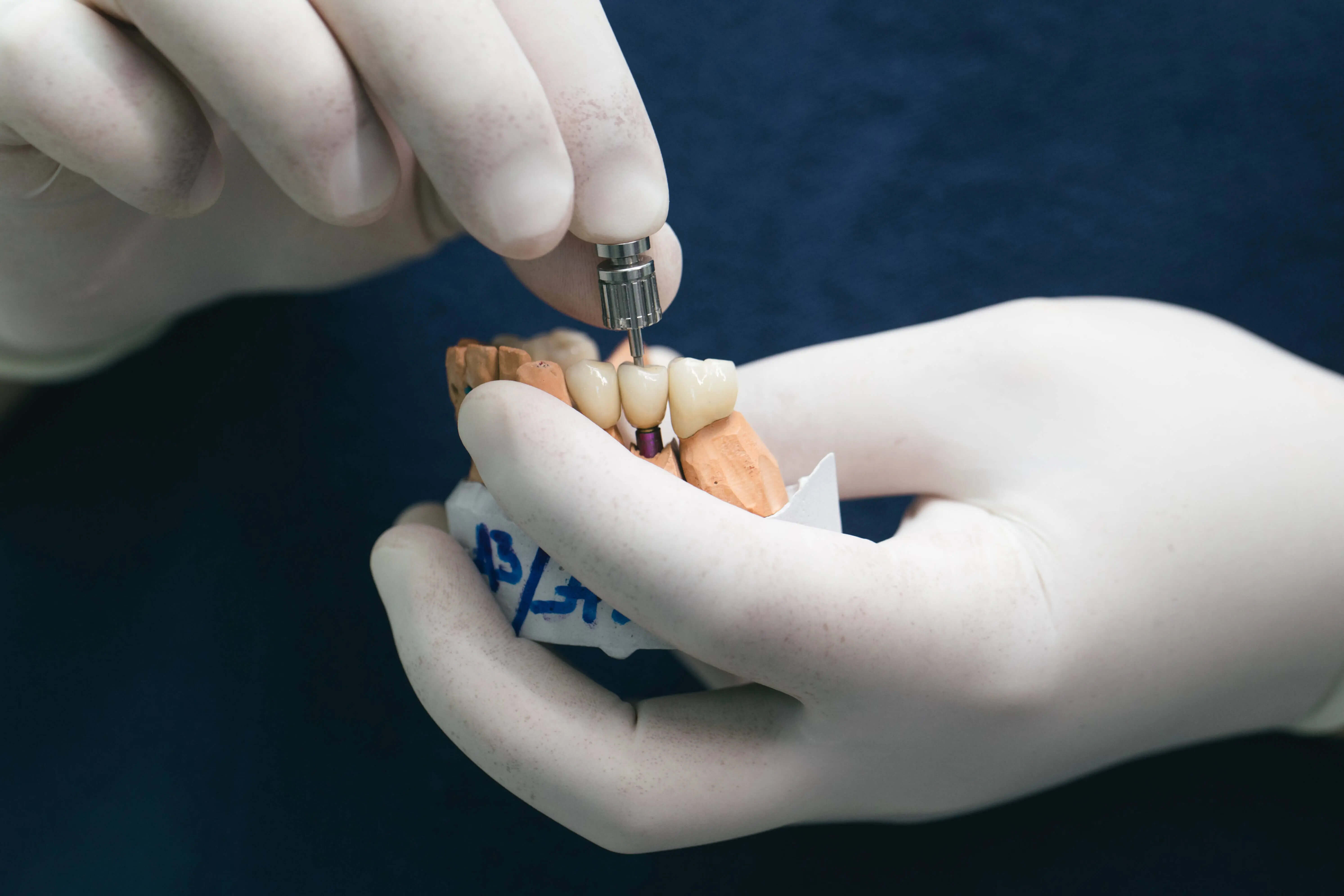
During the dental implant procedure, an artificial tooth root is implanted into the jaw and then covered with a crown. The shape and fit of artificial teeth might not perfectly match natural teeth, and post-surgery, there is a period of adaptation. Nearby teeth may shift slightly due to chewing habits and gum conditions, potentially making tooth gaps appear larger.
Additionally, if there are pre-existing periodontal issues leading to significant bone loss, the artificial crown must be designed to accommodate the current bone structure. Sometimes, dentists intentionally leave space between teeth to facilitate cleaning and prevent food debris from exacerbating periodontal diseases.
**Differences Between Cross-Border and Hong Kong Implants**
Many people share that the design, materials, and techniques used in cross-border dental implants are similar to those in Hong Kong. However, differences in clinical procedures and communication habits can result in unmet expectations, particularly concerning aesthetics and occlusal comfort.
For instance, while some dentists consider larger tooth gaps beneficial for hygiene, patients may not find them comfortable. Early phases of adaptation might require time for the tongue and lips to "teach themselves" to control airflow, leading to the sensation of "air leakage."
**Should You Be Concerned About Air Lea
kage?**
In most cases, post-implant air leakage is temporary, typically occurring during the initial weeks to months after surgery as part of the adaptation phase. If you persistently find speech difficult or feel that large tooth gaps lead to food getting trapped, consult your dentist for a check-up. This may involve adjusting the position of the crown or exploring other supportive measures.
If the problem is merely due to tongue adaptation, practice-speaking, especially with Cantonese words that have strong aspirate sounds like "風" (wind), "四" (four), and "花" (flower), can help your tongue gradually learn to control airflow.
**How to Prevent or Reduce Tooth Gap Issues**
1. **Pre-Surgery Communication:** Clearly convey your expectations regarding appearance, tooth gap size, and occlusal comfort.
2. **Maintain Good Oral Hygiene:** Use floss and interdental brushes to clean around crowns; properly spaced gaps can aid in care and prevent periodontal disease.
3. **Regular Check-ups:** Don’t assume everything is fine post-implant. Like natural teeth, artificial ones require inspections and maintenance.
4. **Adaptation Practice:** Train oral muscles by reading aloud slowly and at a higher volume to relearn airflow and pronunciation control.
**Differences Between Natural and Artificial Teeth**
Though artificial teeth can visually resemble natural teeth in appearance and color, the hardness and feel will never be completely identical. Differences in gap size, occlusal sound, and gum contact might occur due to the materials properties, rather than technical deficiencies.
Understanding this reality can minimize psychological gaps. Especially for cross-border healthcare, patients should prepare mentally and not solely measure success by cost.
**Conclusion**
Speech impairment after dental implants doesnt necessarily stem from enlarged tooth gaps. It might be due to incompatibility between the artificial tooth, tongue, and lips, or intentional spaces left by dentists for gum health. Most importantly, address problems early with your dentist to ensure proper tooth function and daily comfort.
While cross-border implants are convenient, devote careful attention to the selection of dentists, setting clear expectations, and post-surgery follow-ups to achieve truly "functional and comfortable" dental solutions.